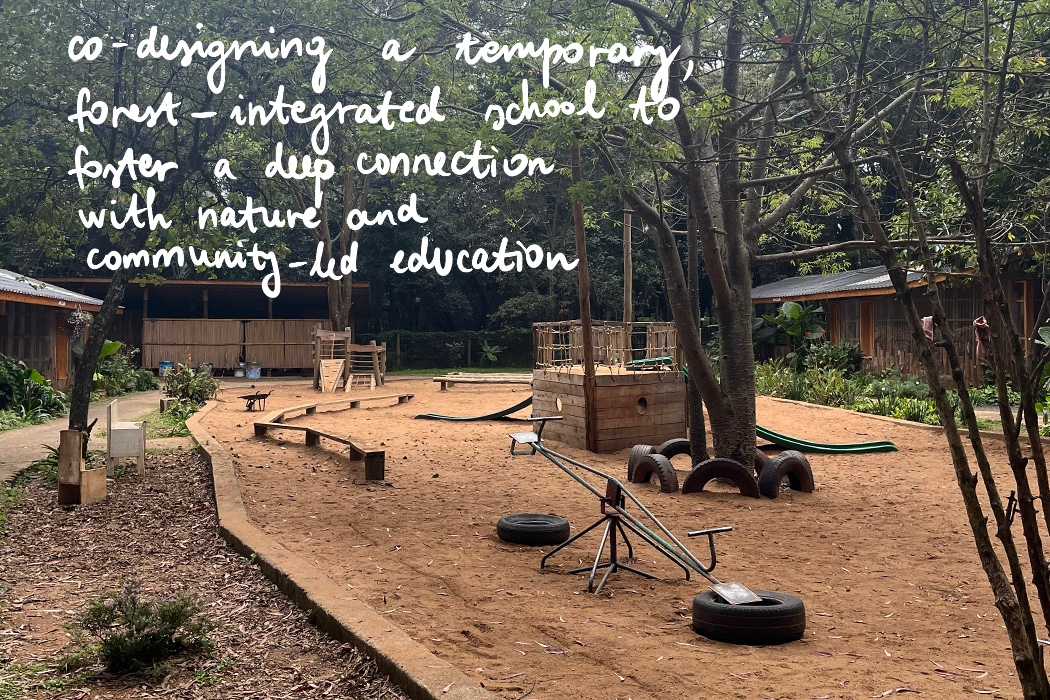
This project is an award-winning, forest-integrated educational campus that preserves a pocket of native woodland while showcasing how urban architecture and development can blend with natural ecosystems.
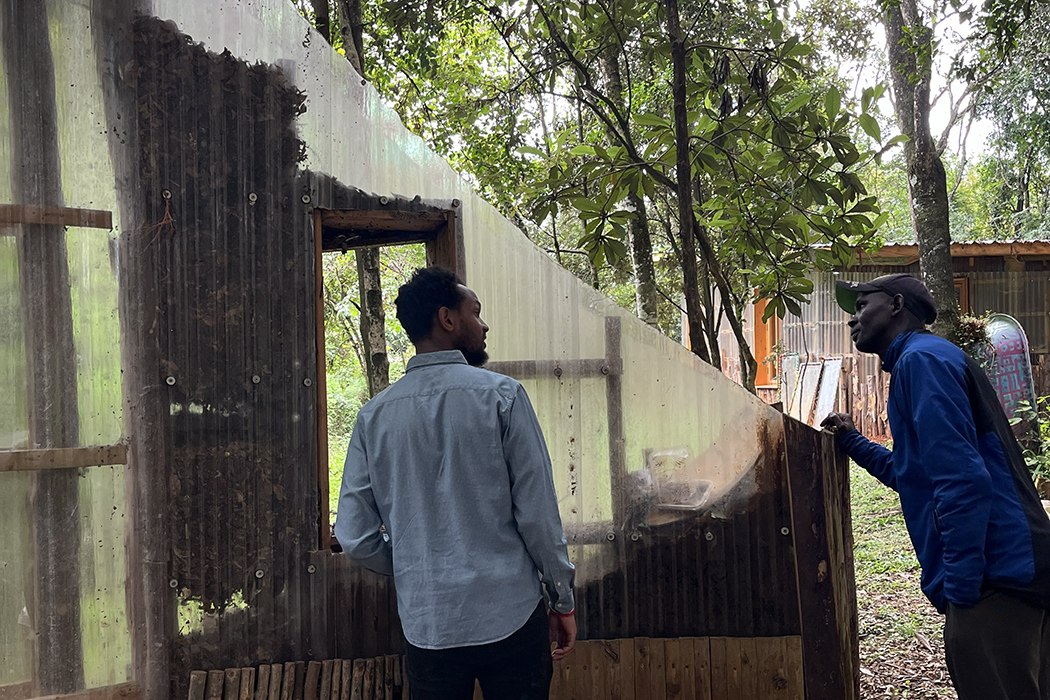
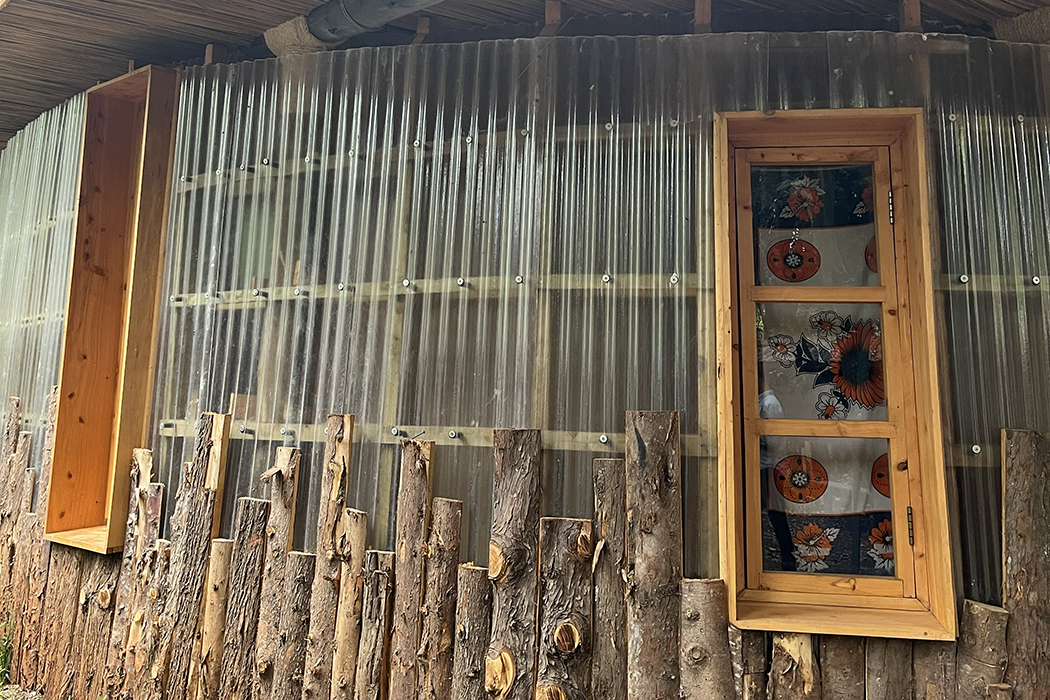
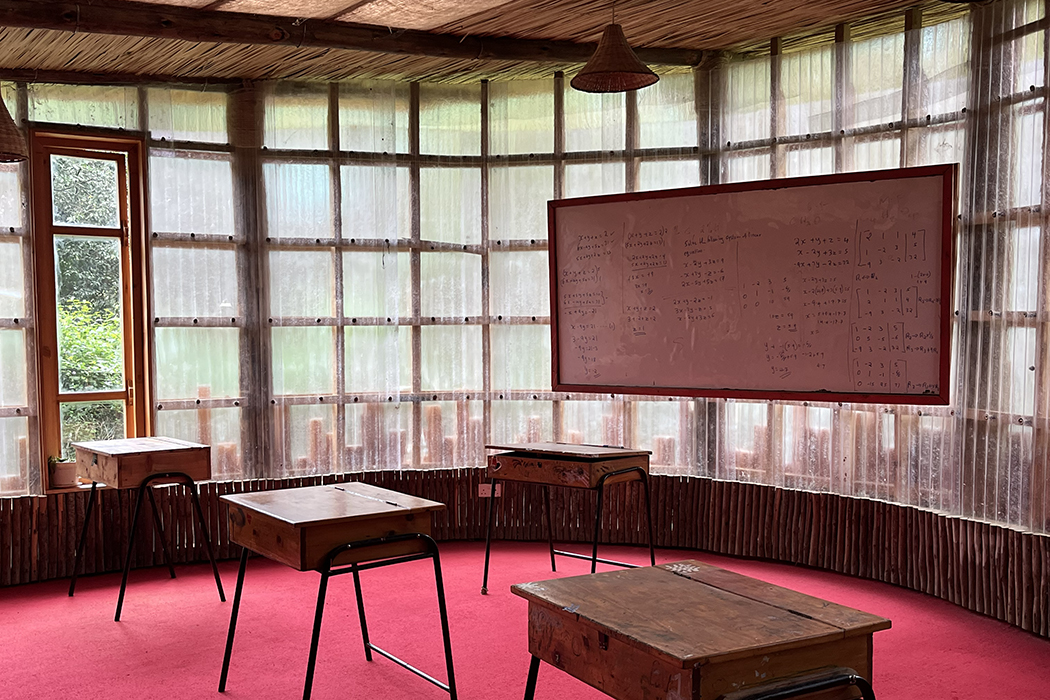
The project is located in a residential forest plot in Karen and it was driven by the school trust’s need for a rapid, low-cost expansion under a strict ten-year land lease. Designed by Urko Sanchez Architects, the project creates a “small village for children” tucked into natural clearings. The core activities involved constructing 24 organic, spiral-shaped classrooms inspired by traditional Maasai manyattas (houses) using lightweight metal frames, site-excavated earth, and reclaimed timber from dismantled old classrooms. A major innovation is their translucent “living walls” packed with local soil and forest leaves.
Working towards justice
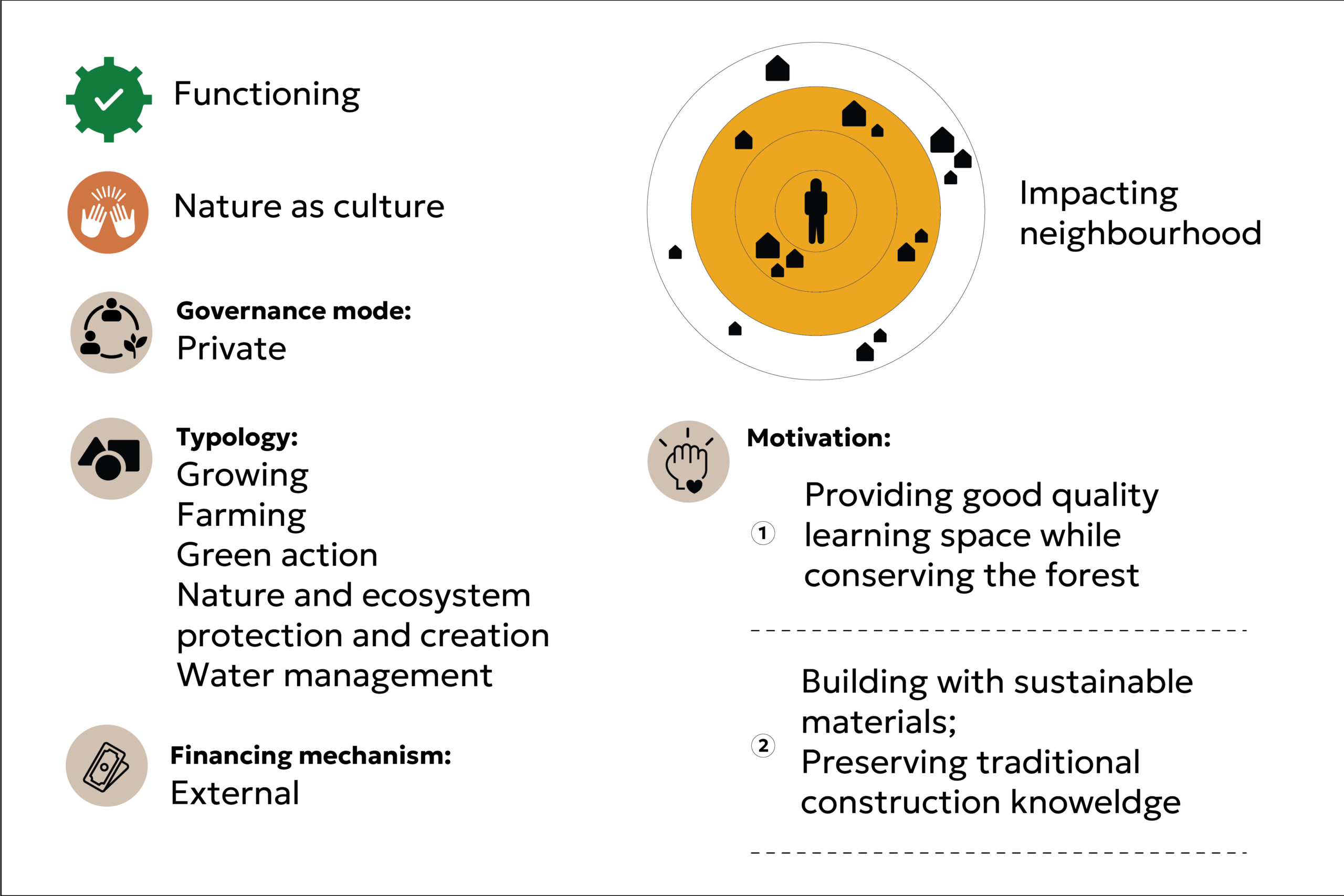
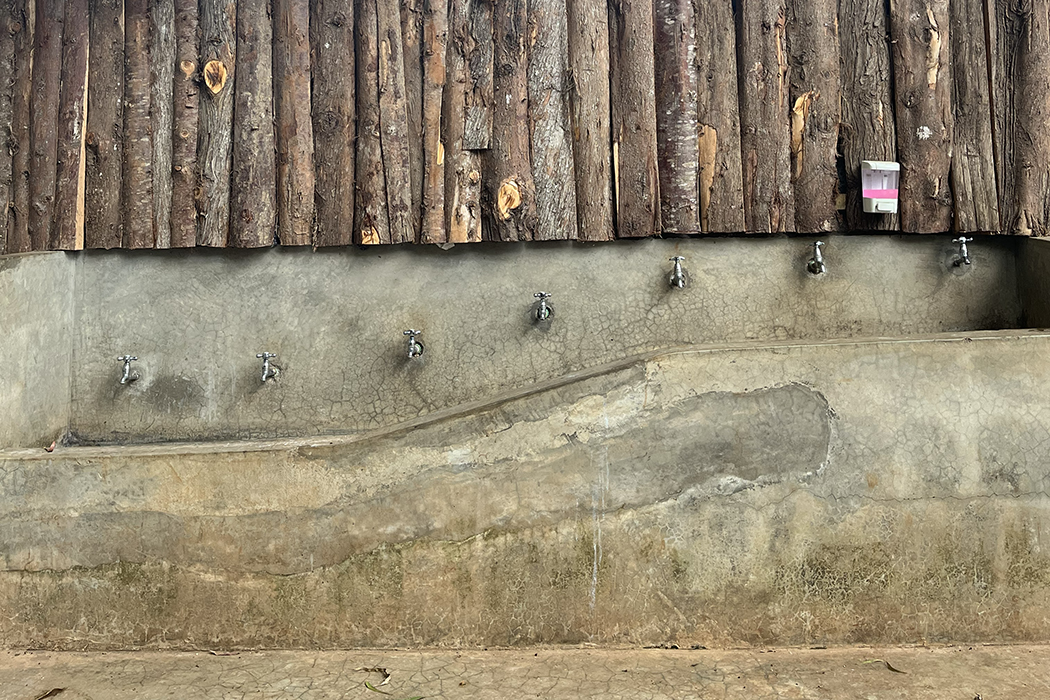
The Waldorf Woodlands School project involved children, parents, teachers, and residents in the design and construction process of the classrooms and school space. By involving the users in the actual building assembly and repurposing materials like old roof tiles for path boundaries and upcycled oil drums for sinks, the project fosters a deep sense of shared ownership, mutual respect, and co-learning while building and sharing ecological knowledges. This participatory model actively values local hands-on and traditional knowledge, proving that sustainable architecture and ecological building are not only for experts, they can be accessible to wider audiences of different ages and genders. The design ensures that the benefits of a healthy, non-toxic, and inspiring learning environment are felt by students allowing other relationships of conviviality with nature. This approach respects children’s fundamental right to a safe, natural space that stimulates imagination and collective environmental stewardship. At the same time, it provides the basis for the co-existence of people and nature.
The potential to benefit people and nature
The project has adapted its entire footprint to the natural clearings of the forest, providing an alternative approach to urban deforestation. Its translucent “living walls” serve an important ecological function, turning the classroom boundaries into thriving microhabitats where students can observe and learn with plants, roots, and insects up close. Passive climate strategies, including large roof overhangs and elevated gaps for cross-ventilation, naturally regulate indoor temperatures and eliminate the need for energy-intensive cooling systems. To deepen these benefits for both people and nature, the school could expand its landscape design to actively cultivate and reintroduce threatened native plant species within the campus. This award-winning site could be used as a live demonstration hub, training local builders and other schools on how to implement circular, low-impact, and easily dismantlable architectural models that enrich local biodiversity instead of destroying it.