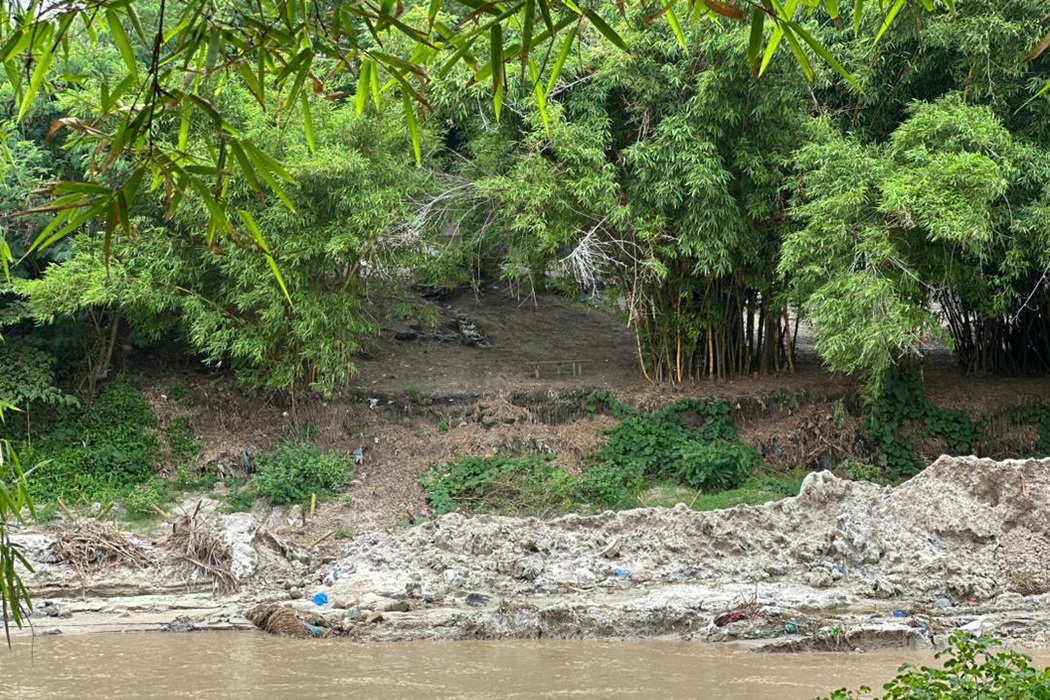
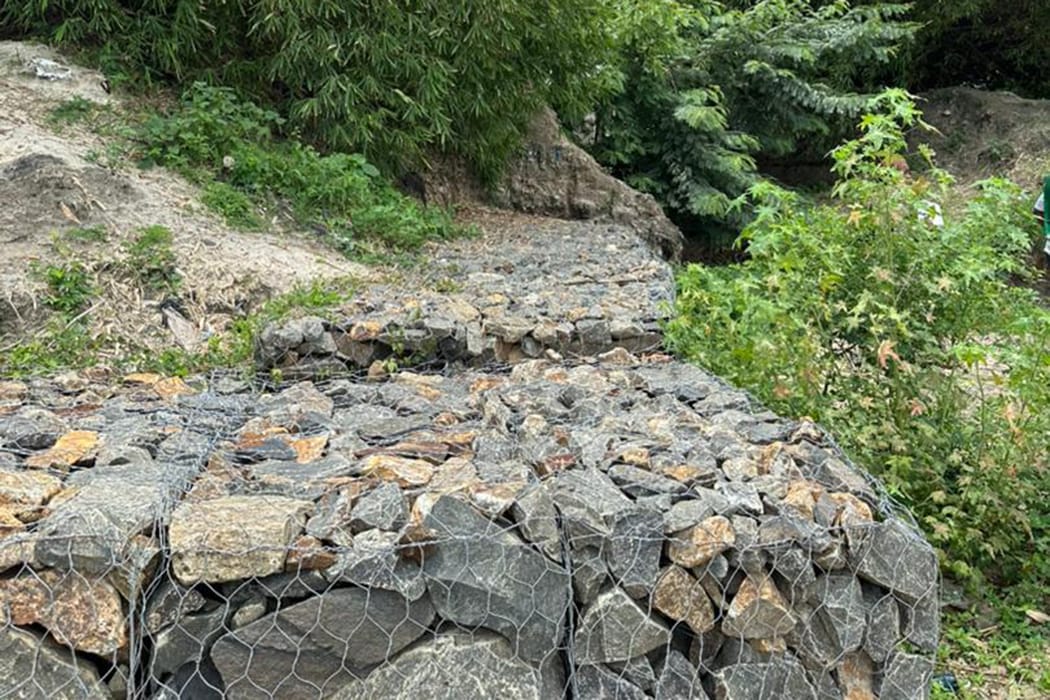
A youth-led, women-driven savings group combines income generation and environmental action through tree planting along the Msimbazi River.
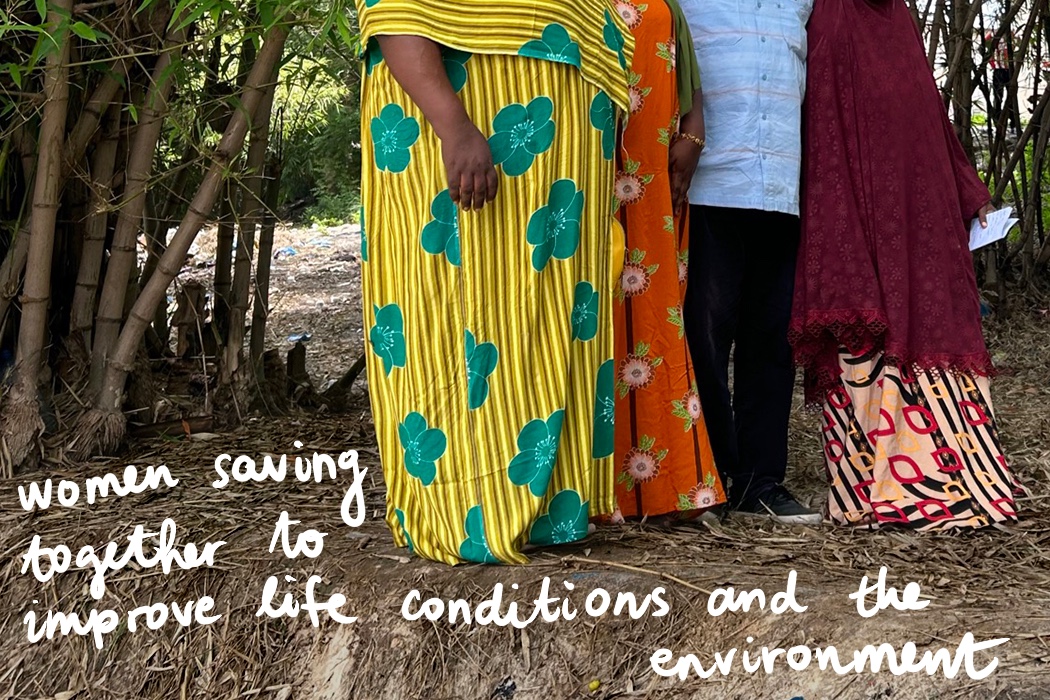
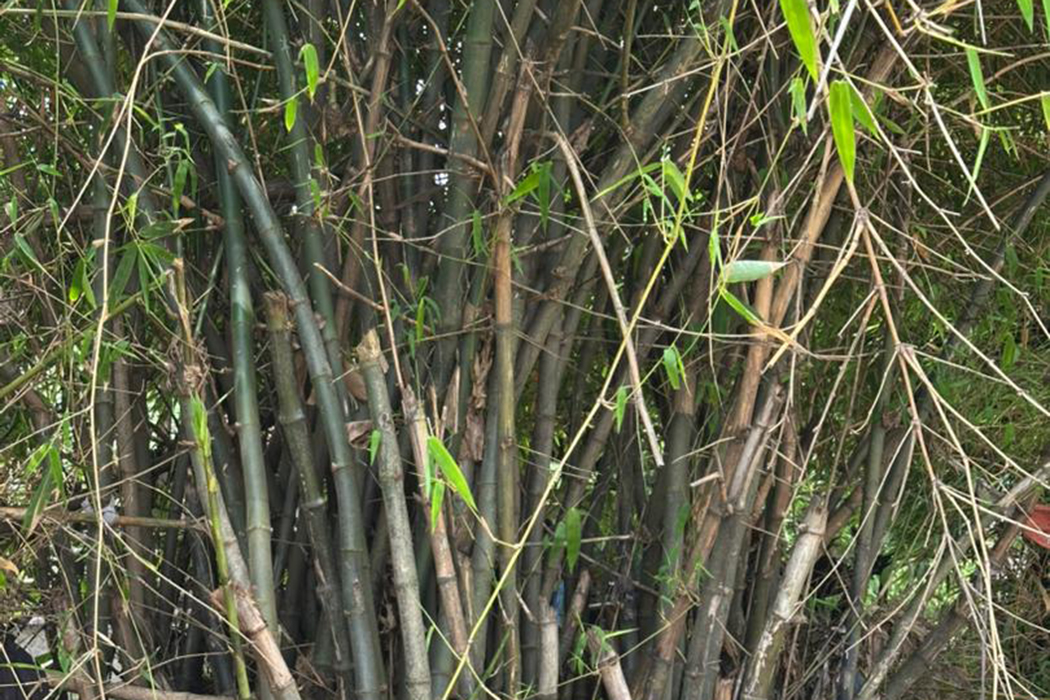
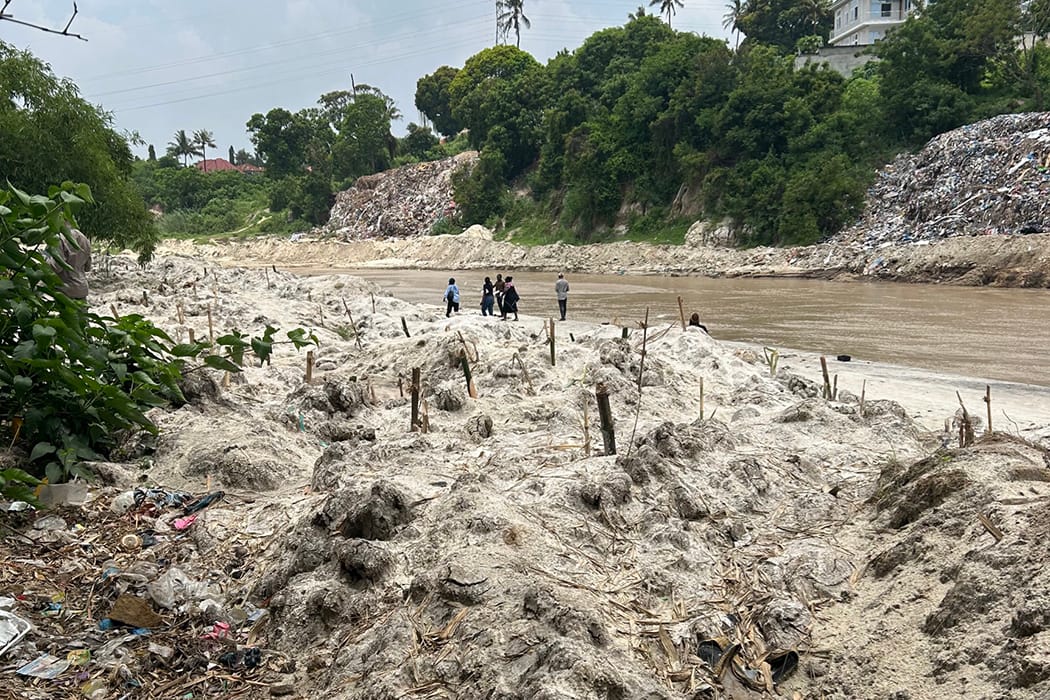
Formed in May 2025 in Karakata, within the Msimbazi River watershed, the group grew from 9 to 20 members, predominantly young women. Initially motivated by daily savings to improve income, members developed ideas to earn additional income, such as soap-making business. Alongside this, they engage in environmental protection and conservation activities, including tree and bamboo planting in schools and along the Msimbazi River, in collaboration with other federation groups. Supported by the Tanzania Federations of the Urban Poor, the group operates through weekly meetings, shared rules, and consensus-based decision-making. Their work addresses income insecurity and environmental degradation, especially for families residing in the flood-prone areas of Karakata. The key challenges include limited male participation, due to work commitments and availability, time constraints for members, especially women caring for households, and the need to sustain engagement and accountability as the group grows.
Working towards justice
The initiative enables access to savings, income-generating activities, and shared profits, particularly for young women in low-income contexts. Members have improved their financial stability and developed small enterprises, strengthening economic resilience. It further increases the visibility and legitimacy of women-led groups within the community, challenging perceptions that limit women’s leadership in financial and environmental activities. The participatory governance promotes decisions made through discussion, consensus, and voting when needed. Socially, the group strengthens trust, accountability, and mutual support, especially between young mothers that are typically stigmatised within a community and women living in Karakata. Environmentally, it contributes to tree planting and awareness on dumping in the river and protecting the riverbanks against flooding. Economically, it enables savings and entrepreneurship. While intended impacts focus on income and cohesion, broader outcomes include increased confidence, financial discipline, and collective responsibility among members.
The potential to benefit people and nature
The initiative demonstrates how savings groups can expand into environmental action and build on existing awareness activities to regenerate the river against its continuous expansion. Tree and bamboo planting contribute to reducing erosion. There is potential to strengthen these benefits by scaling planting efforts along the river, diversifying species through the expert knowledge of local ecosystem needs, and linking environmental activities with broader restoration initiatives. Expanding partnerships with other federation groups could increase impact across the watershed and form a network of women allies for nature conservation and against stigmatisation. With strong participation from young women and growing organisational capacity, the group provides a foundation to connect livelihoods, environmental care, and community development in a sustained way.