Uhuru Park

Read more about the 1992 Mothers of Political Prisoners Protest here.

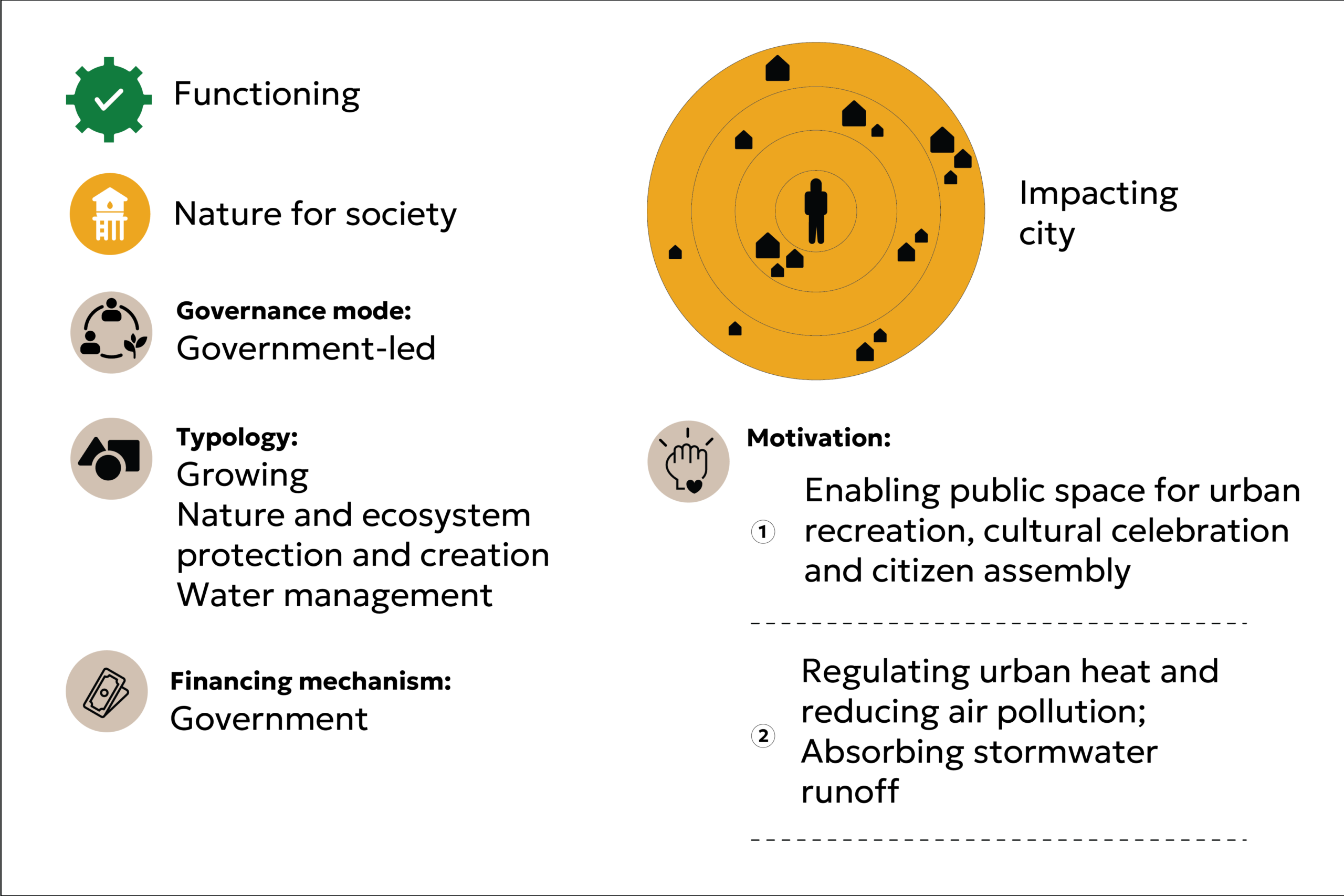
Uhuru Park is a historic 12.9-hectare public recreational park situated nearby Nairobi’s Central Business District, functioning as a critical social asset, a monumental site of national political liberation, and a core “green lung” for the metropolis.
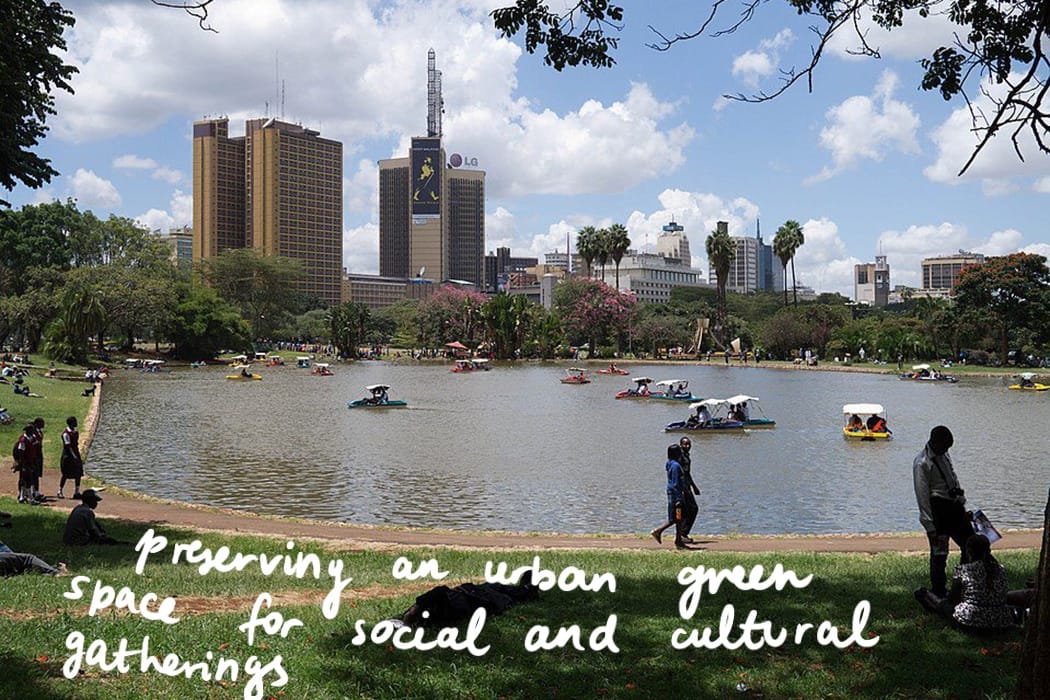
The Uhuru Park originally opened in 1969 by Kenya’s president Jomo Kenyatta. It is currently managed under the statutory governance of the Nairobi City County Government. Recently, the park was under a two-year renovation by the Kenya Defence Forces (KDF) in order to meet international standards, and it officially reopened to the public in March 2024. Driven by the mandate to provide urban residents with secure leisure spaces, the rehabilitated park features manicured lawns, an outdoor amphitheatre, jogging and cycling tracks, and a specialised skating rink. The core ecological feature is a central artificial lake that serves as an active urban waterfront. Despite available for the public, the park operates under intense implementation barriers, including historical litigation over the removal of mature trees during construction, ongoing friction regarding infrastructure expansion threats along its borders, and high maintenance costs.

Working towards justice

Uhuru Park serves as the national symbol of environmental justice and democratic resistance in Kenya, preserved through the activism of Nobel Laureate Professor Wangari Maathai against oppressive state-led land grabbing. Its legacy in human rights was established during the 1992 Mothers of Political Prisoners protest at Freedom Corner. When riot police brutally assaulted the peaceful demonstrators with tear gas, several elderly mothers deliberately stripped off their clothes and bared their nakedness at the armed officers. This unprecedented resistance unleashed a powerful moral curse that shocked the nation, forcing the police to retreat in shame and ultimately compelling the regime to release all 52 political prisoners. By keeping this park strictly open and public, it ensures that the poorest urban residents, who lack access to green areas, have an equal right to clean air, relaxation, and recreational dignity.

The potential to benefit people and nature

The park reduces the urban heat island effect, regulating central city microclimates, and acting as an urban retention basin. Its lawns and artificial lake serve a water management function, absorbing flash stormwater runoff from the impervious concrete surfaces of the Central Business District. To further maximise benefits for both people and nature, the county could integrate sustainable drainage infrastructure, such as bio-retention wetlands, along its water inflows to naturally filter urban debris and microplastics before they settle in the lake. Its existing plant nursery could be transformed into an active community-led native seed distribution hub.

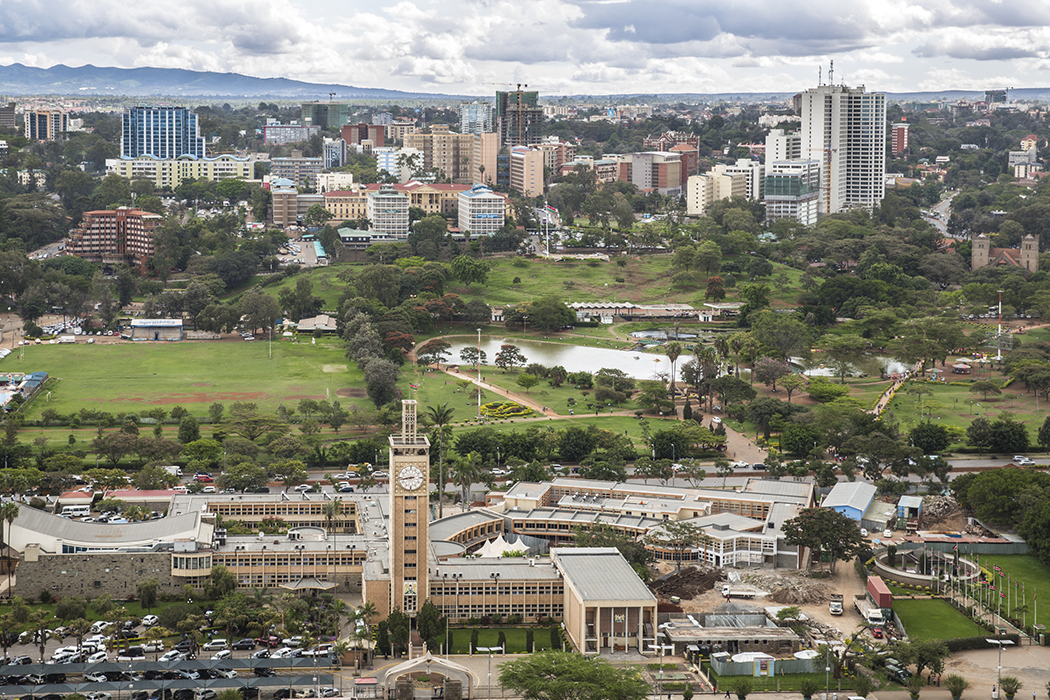
The urban context surrounding the park ©Ninara (Flickr)
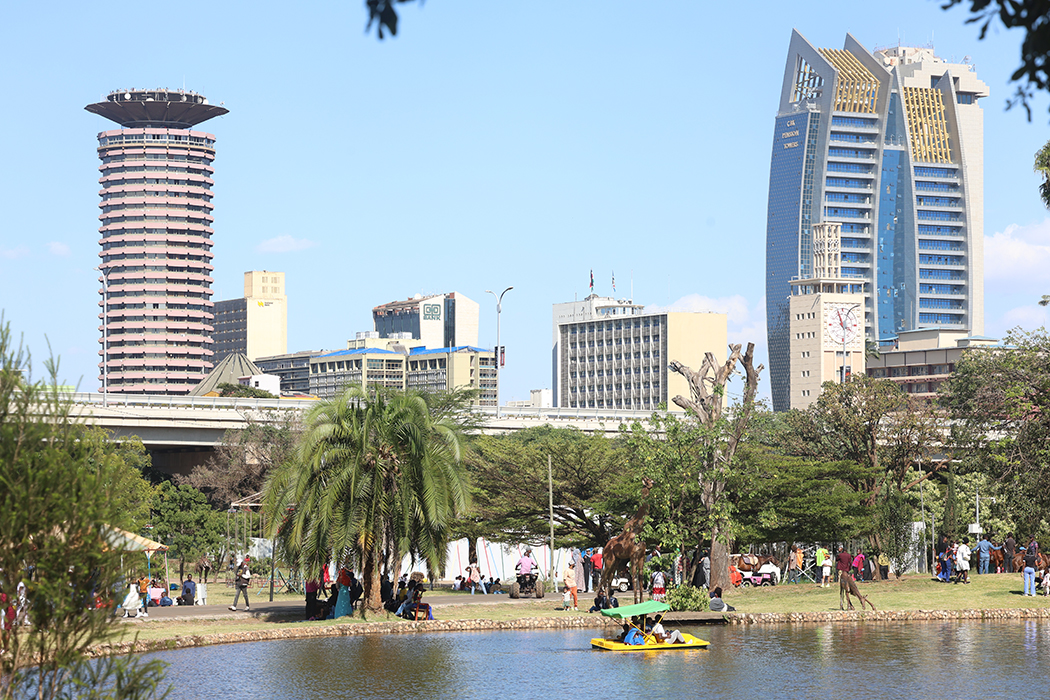
The artificial pond ©Wikimedia Commons
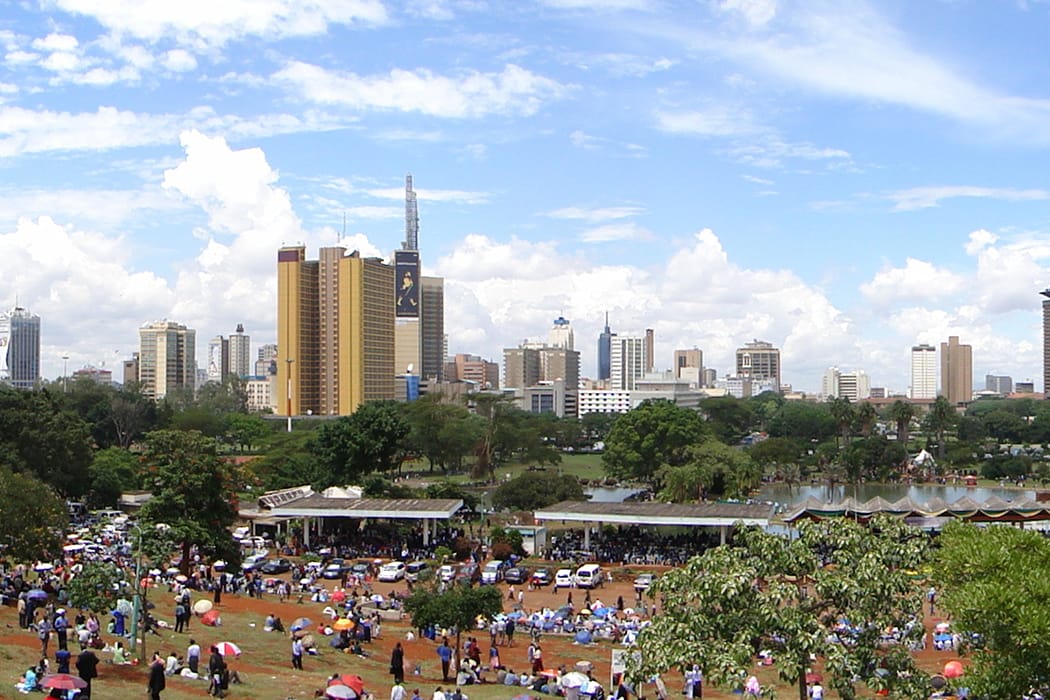
Citizens enjoying the green space ©Wikimedia Commons
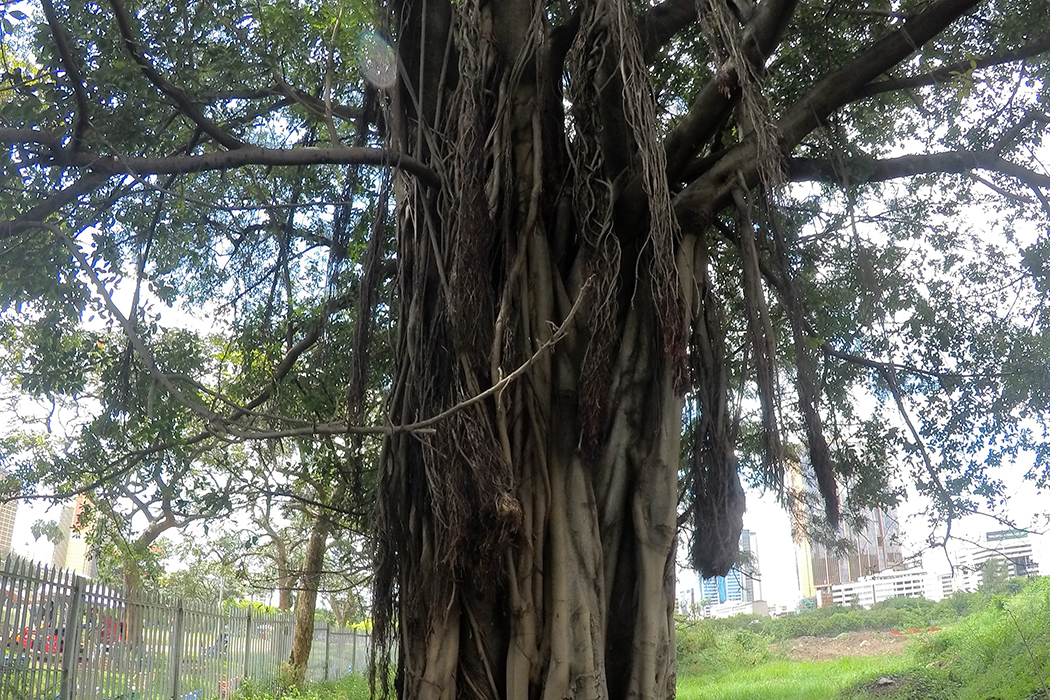
Mugumo tree in the Uhuru Park ©Wikimedia Commons