This community-led initiative uses rainwater harvesting to support flood reduction and water access in a flood-prone informal settlement.
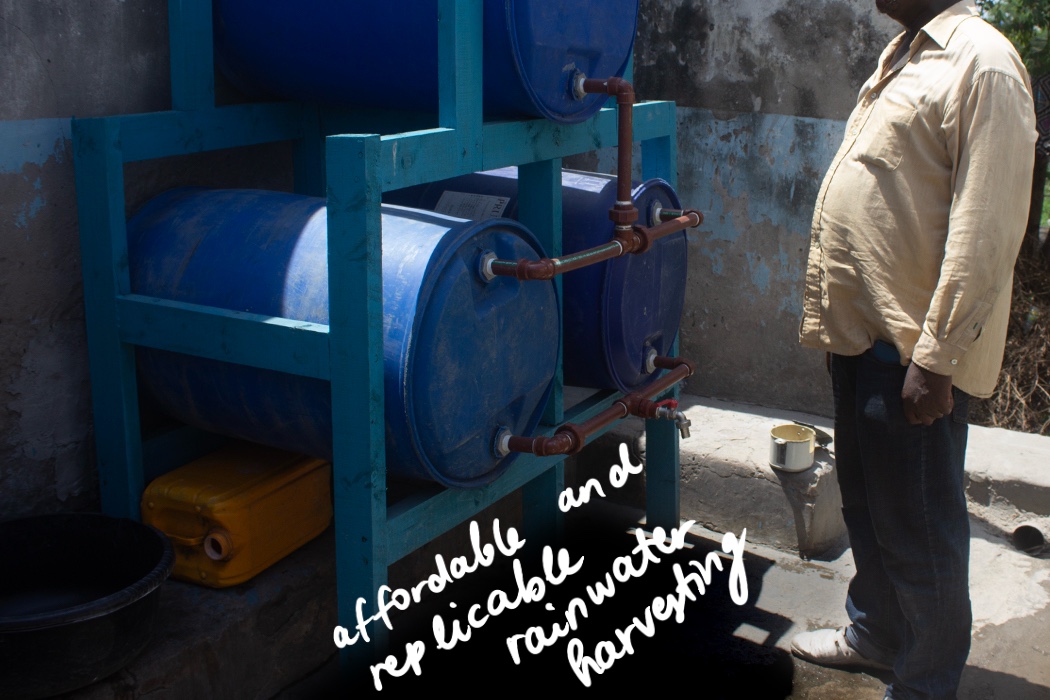
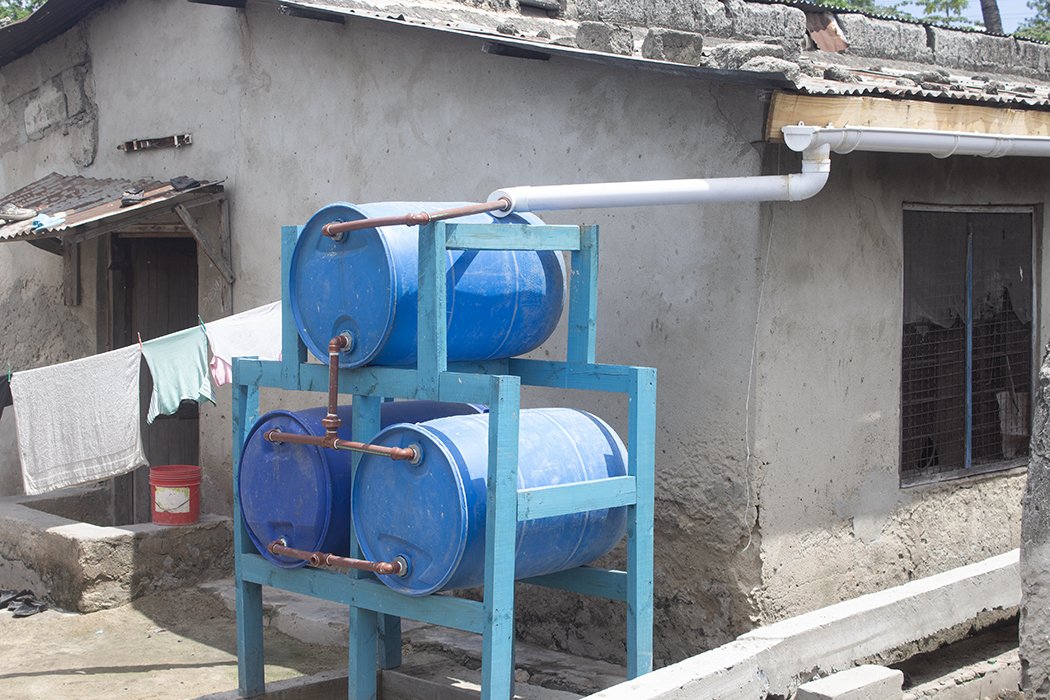
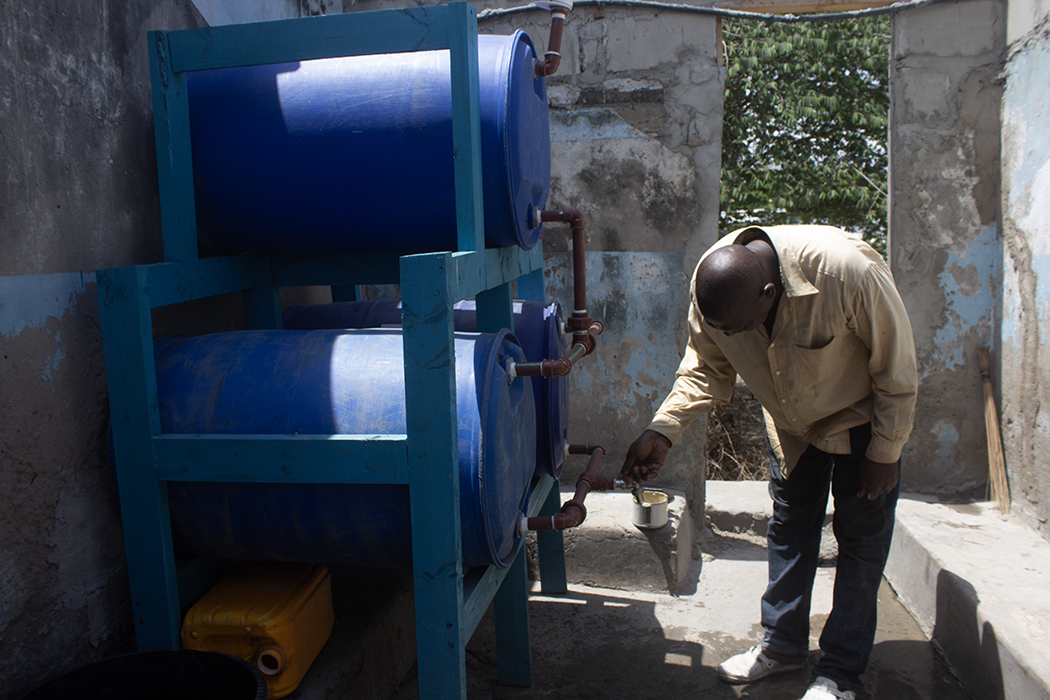
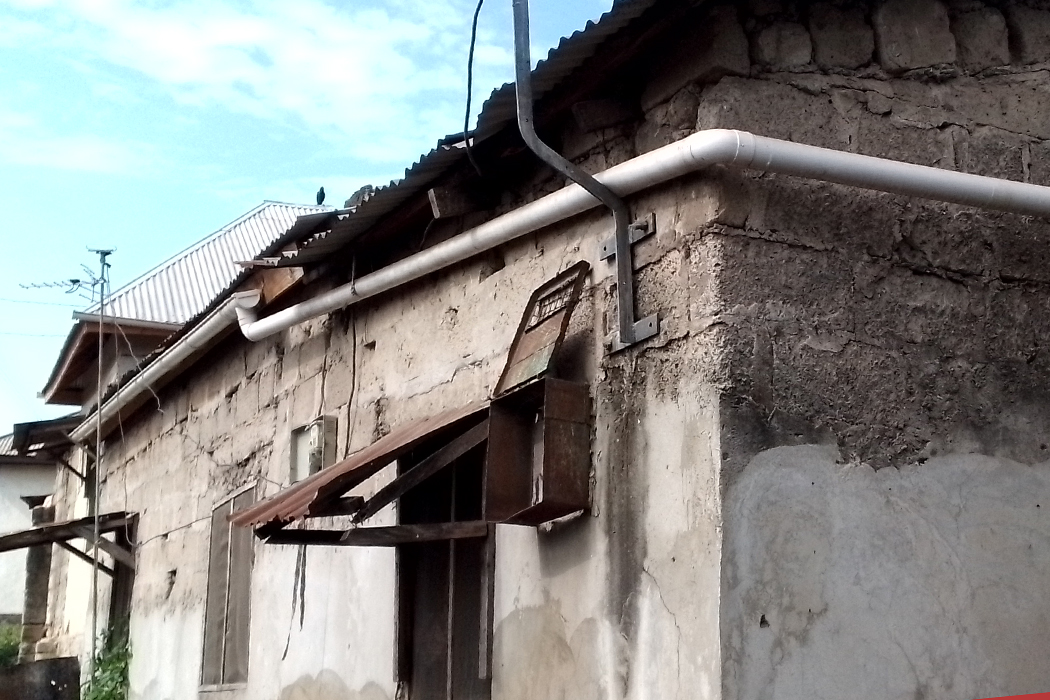
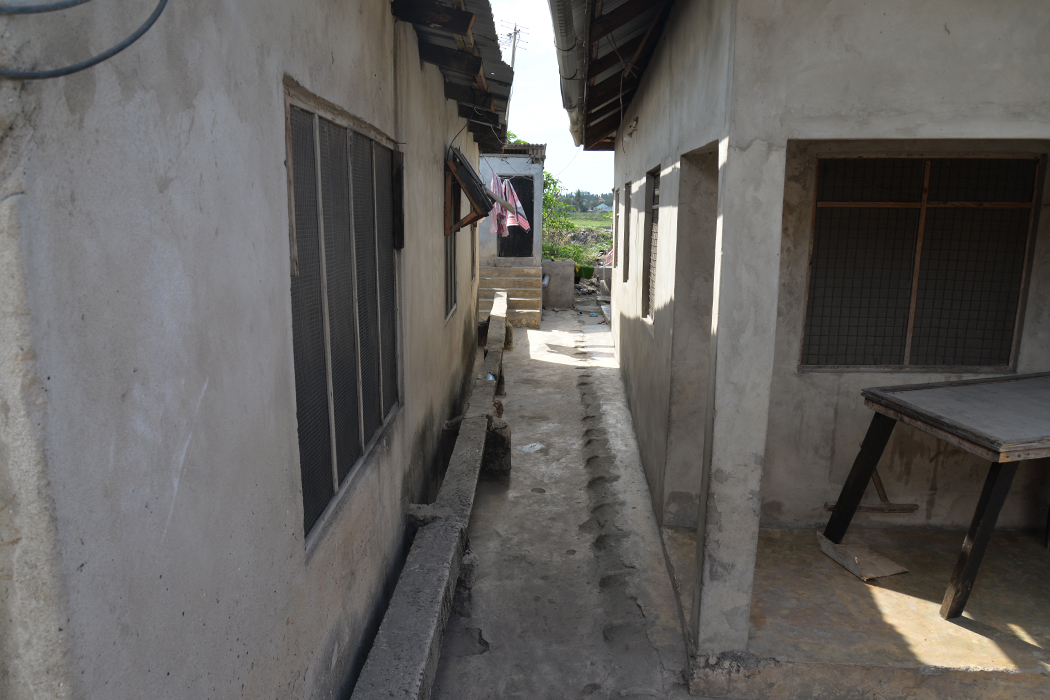
Implemented in Mjimpya settlement, within a flood-prone area, the initiative responds to recurrent flooding and limited access to affordable water. The project was developed through collaboration between Centre for Community Initiatives (CCI), Tanzania Federation for the Urban Poor (TFUP), local government representatives, and community members. Women and youth actively participated in meetings, research, and implementation, contributing local knowledge and supporting inclusive decision-making. Activities included community consultations, household-level rainwater harvesting systems for 10 homes, and a complementary biogas project for faecal waste management. The initiative aimed to improve water access and strengthen sustainable water management practices. While the project generated environmental and financial benefits for participating households, challenges remain, including limited funding, uneven maintenance capacity, and unmet demand from additional residents wanting to be included.
Working towards justice
The initiative supports low-income households vulnerable to flooding and water insecurity, although only a limited number of homes benefited directly. The community members are recognised as partners through the inclusion of their knowledge throughout planning and implementation processes. Through community meetings and household involvement in managing and maintaining the systems, inclusion remains as a challenge to get the wider community participating in the implementation of this solution. The project improved access to water, reduced flood impacts, and strengthened trust and collective responsibility among participants. Socially, the initiative supported safer living conditions and local empowerment; environmentally, it contributed to reduced runoff and pollution; economically, it lowered household water costs; and politically, it increased the visibility of grassroots-led solutions, particularly from the mobilisation and saving schemes led by TFUP members. Because of differences in households’ financial capacity, the maintenance of the systems revealed inequalities in long-term access and sustainability.
The potential to benefit people and nature
The initiative demonstrates how rainwater harvesting can diversify water supply in dense informal settlements. By capturing and reusing rainwater, the systems help reduce surface runoff, lower pressure on drainage systems, and support more sustainable water use. The reuse of plastic containers as storage tanks also contributes to waste reduction and circular resource use. The usage of smaller tanks reduced the need for costly structural support. This water harvesting system is easier to replicate and produce with a lower budget. Expanding the initiative through affordable technologies, collective maintenance systems, and broader community access could strengthen both environmental resilience and social benefits. There is further potential to combine rainwater harvesting with vegetation buffers such as biofilters for grey water, and permeable paths to improve soil health, biodiversity, and water infiltration. Strengthening these connections could support more integrated approaches to flood management and ecosystem restoration.