The initiative leads mangrove restoration, conservation, and environmental education along Dar es Salaam’s coastline, protecting fragile ecosystems through community-based action.
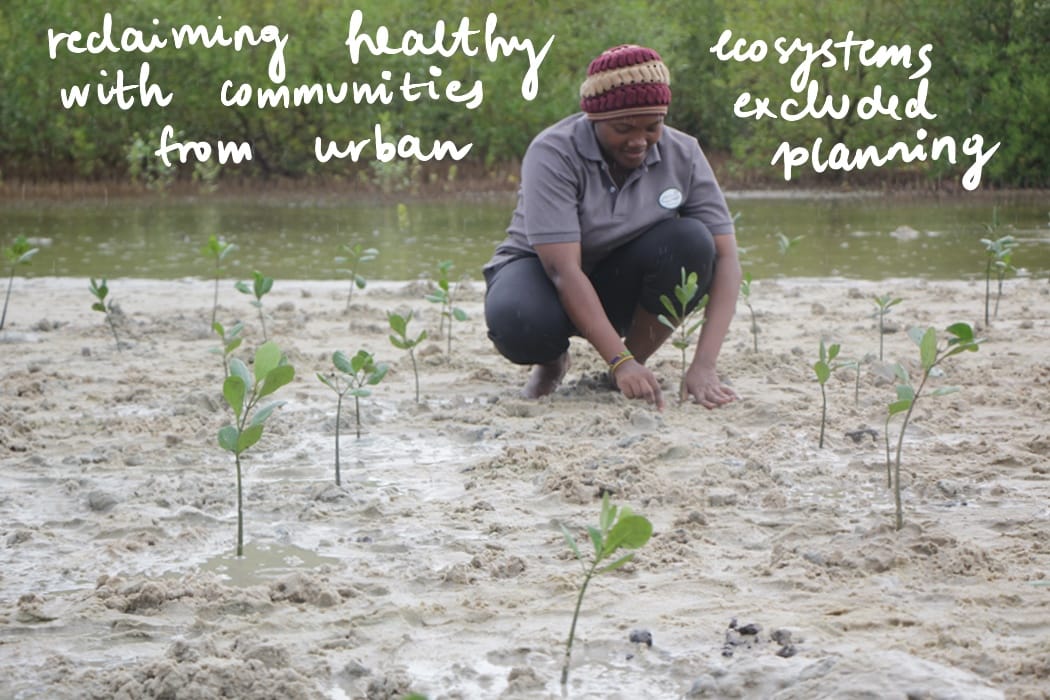
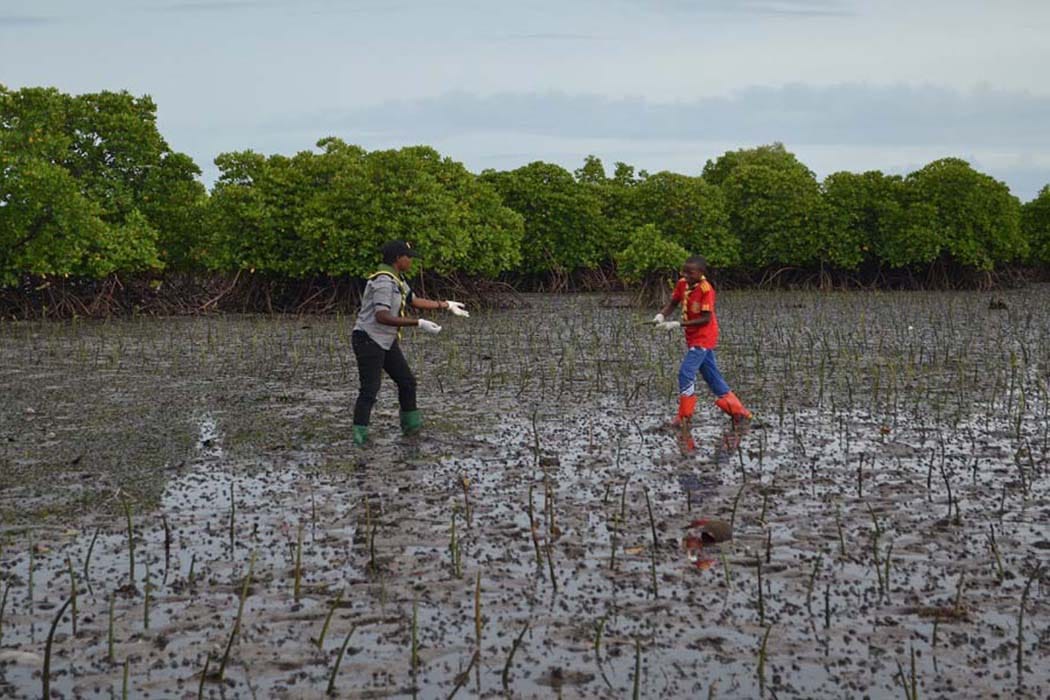
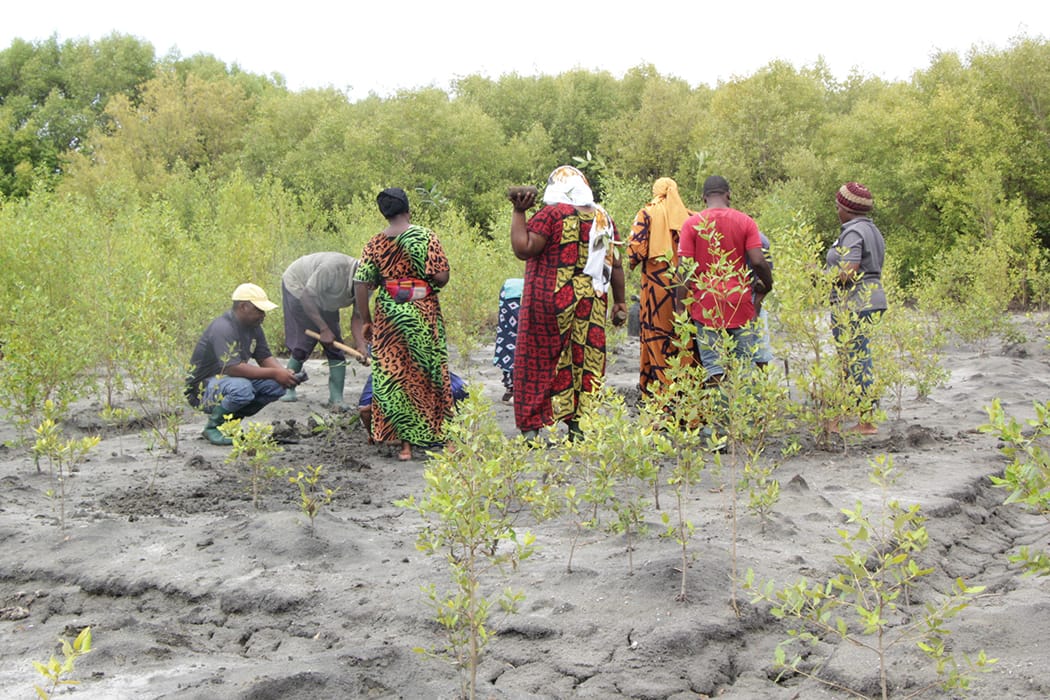
Operating from Kinondoni Municipality, MDF leads integrated mangrove restoration, conservation, and environmental education initiatives along the coastline of Dar es Salaam. They work closely with residents, youth groups, and schools to implement hands-on restoration activities. These include mangrove planting, removal of illegal waste and debris, coastal monitoring, and erosion-control interventions. A flagship effort under this initiative is the Green Mission Program – Target to Plant 1 Million Trees by 2035 along the Coast of Tanzania. This programme mobilises communities through planting campaigns and restoration of degraded urban coastlines, supported by corporate partners seeking transparent Environmental, Social, and Governance (ESG) impact through the Impact Wallet System. Moreover, they host the Guardians of Mangroves, a three-year pilot project designed to provide a scalable restoration model supported by donors and investors. Through this initiative, MDF aims to plant and nurture 100,000 mangroves by 2028. In line with its long-term vision, MDF is also establishing the Mikoko Green Innovation Hub and the shop, which aims to support local communities in accessing markets for blue economy products such as seaweed and honey, strengthening sustainable livelihoods. Despite the presence of supportive policies on coastal conservation and urban greening, MDF faces several systemic challenges, including weak enforcement of environmental regulations, unclear land tenure in informal settlements, limited and inconsistent institutional support and insufficient financing mechanisms for scaling community-led initiatives.
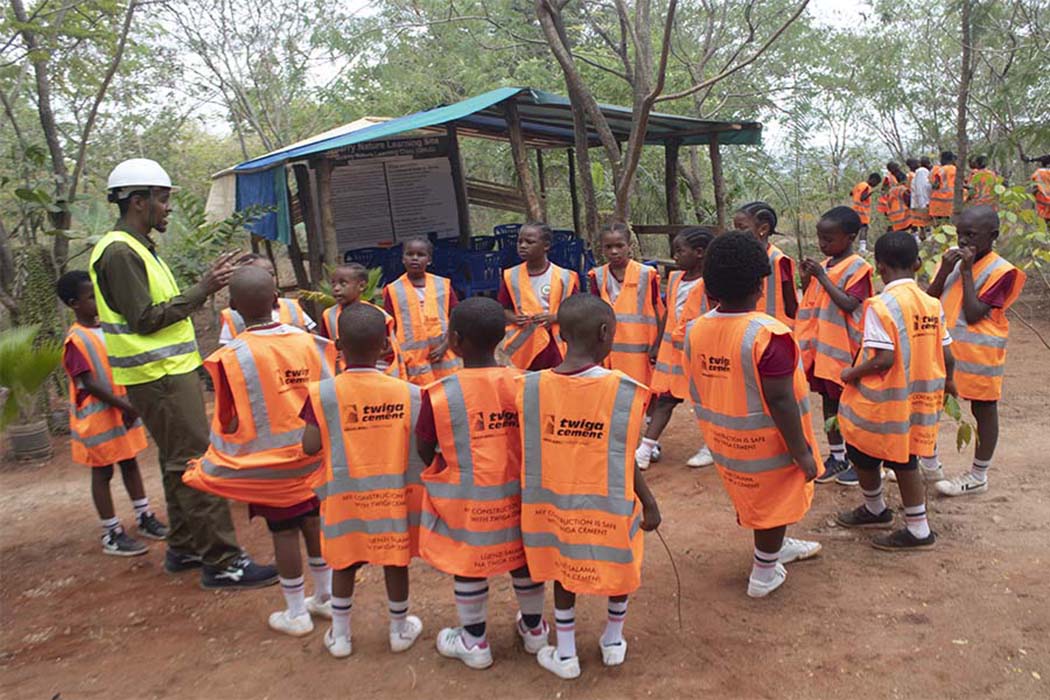
Working towards justice MDF places youth and community voices at the centre of environmental action, particularly in low-income coastal areas that face disproportionate climate risks and development pressures. By actively engaging schools and youth clubs in restoration, education, and advocacy, the foundation promotes inclusive participation and builds a shared sense of responsibility for protecting mangrove ecosystems and urban coastlines. This work contributes to distributional justice by ensuring that communities benefit from ecosystem services such as flood protection, improved air quality, climate resilience and sustainable livelihood opportunities. MDF also integrates environmental education through the STREAMSS (Science, Technology, Research, Robotics, Engineering, Arts, Mathematics, Sports/Scuba, and Sustainability) model under the Young Environmental Scientists Programme. This approach empowers young people with practical knowledge and skills to become stewards of their environment. MDF challenges traditional top-down conservation models by positioning communities as key environmental stewards.
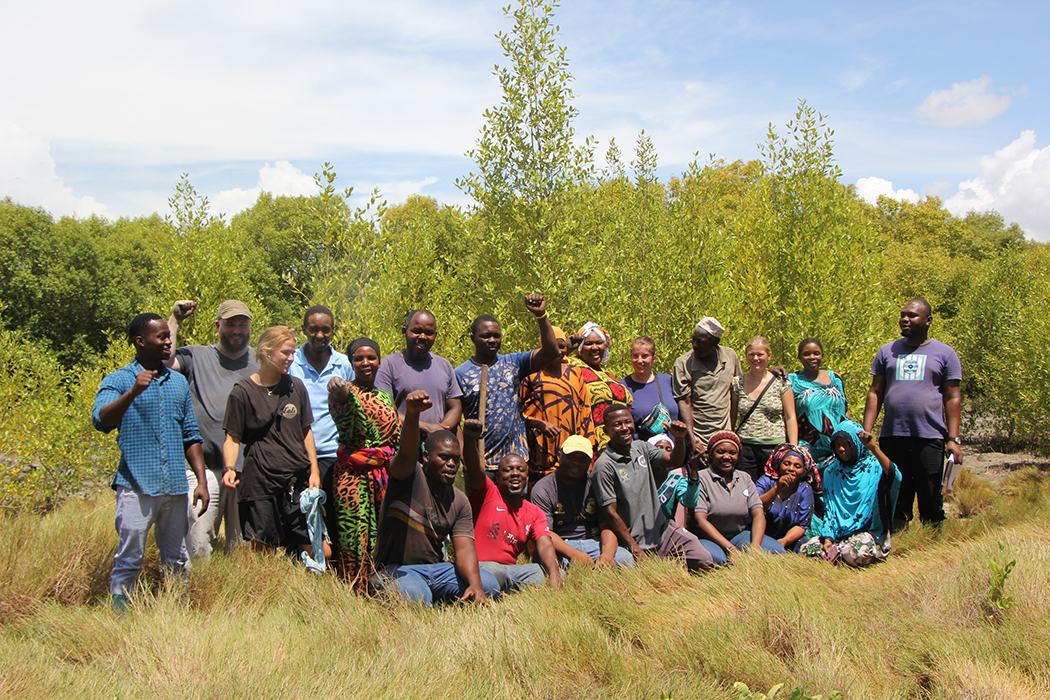
The potential to benefit people and nature MDF’s restoration efforts generate significant environmental and socio-economic co-benefits. In areas where mangroves have been restored, the initiative contributes to shoreline stabilisation and erosion control protection against storm surges and rising sea levels, restoration of biodiversity and marine habitats, upport for fisheries and local food systems and cooling of local microclimates. At the community level, MDF’s work promotes environmental awareness and education among youth, community engagement through eco-volunteering, capacity building and skills development and opportunities for livelihoods based on activities with nature. However, ongoing threats such as waste dumping, land grabbing, and unregulated coastal development continue to undermine restoration gains. These pressures increase vulnerability for coastal communities by reducing natural protection systems and heightening risks of displacement and health challenges. To maximise impact and sustainability, MDF seeks to strengthen collaboration and institutional support through enhanced partnerships with local government authorities, improved coordination between the city and municipal institutions, strengthened enforcement of environmental protection policies, securing land tenure for coastal and riparian communities, expanding of community-based monitoring and data systems, developing sustainable financing models for long-term restoration. With strengthened support, MDF and its partners can significantly scale coastal restoration efforts, ensuring long-term benefits for both people and nature across Dar es Salaam and beyond.