This is a transdisciplinary research and action centre that transforms higher education for a changing climate, creating a localised knowledge ecosystem that trains future leaders to implement nature-based resilience within the global south.
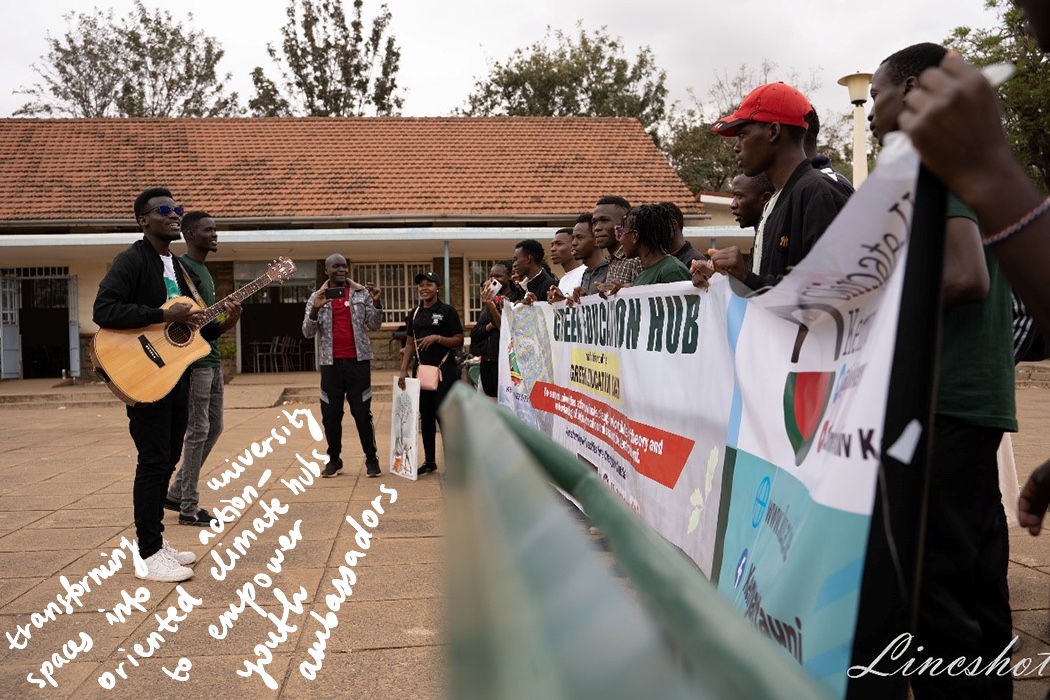
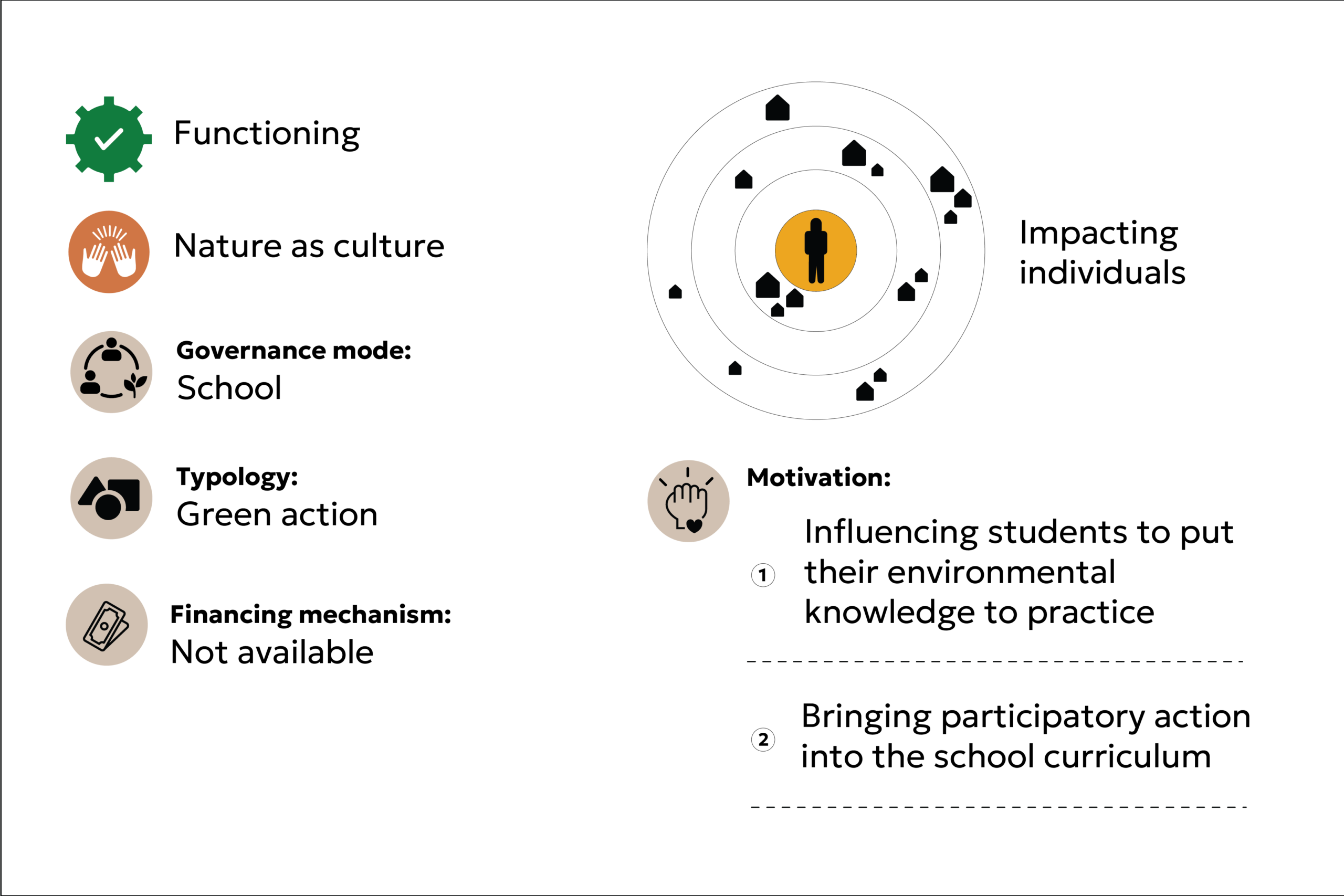
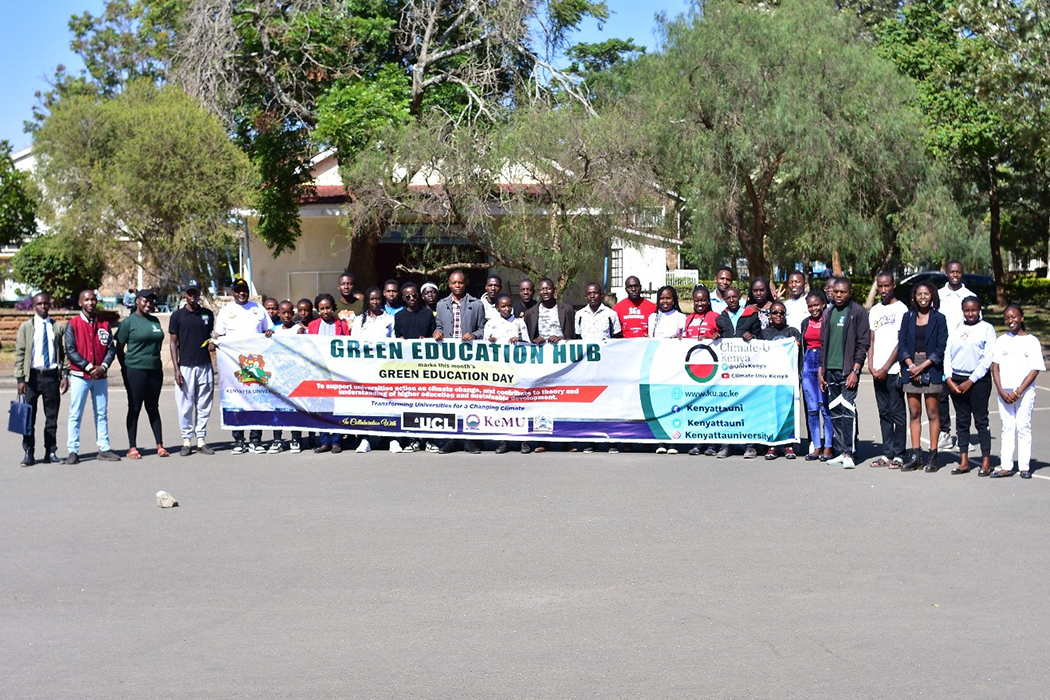
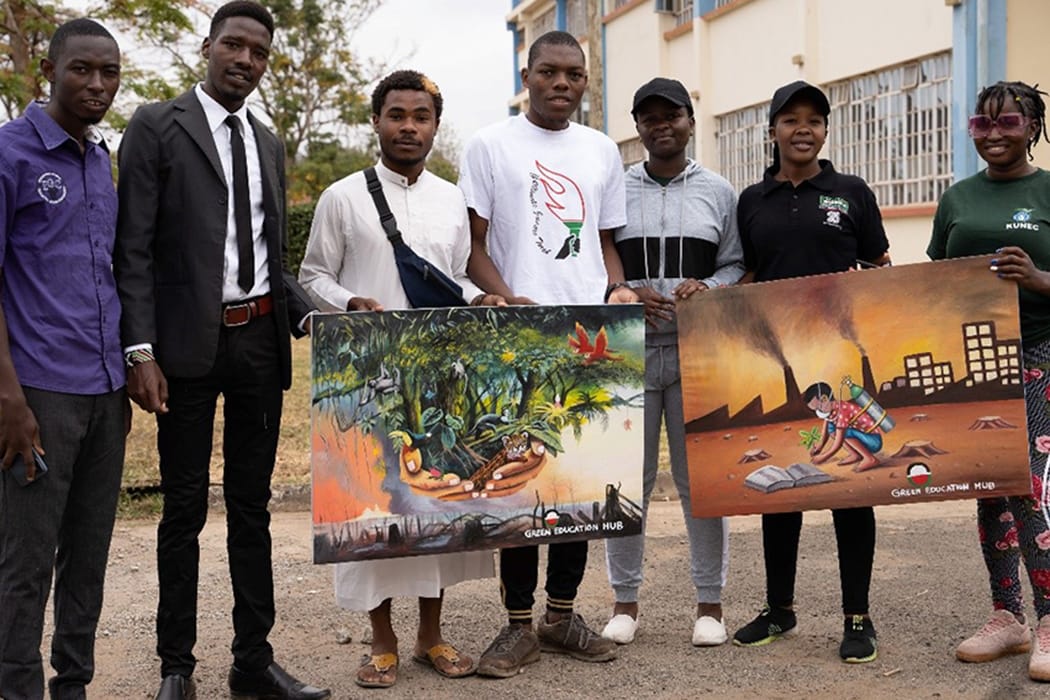
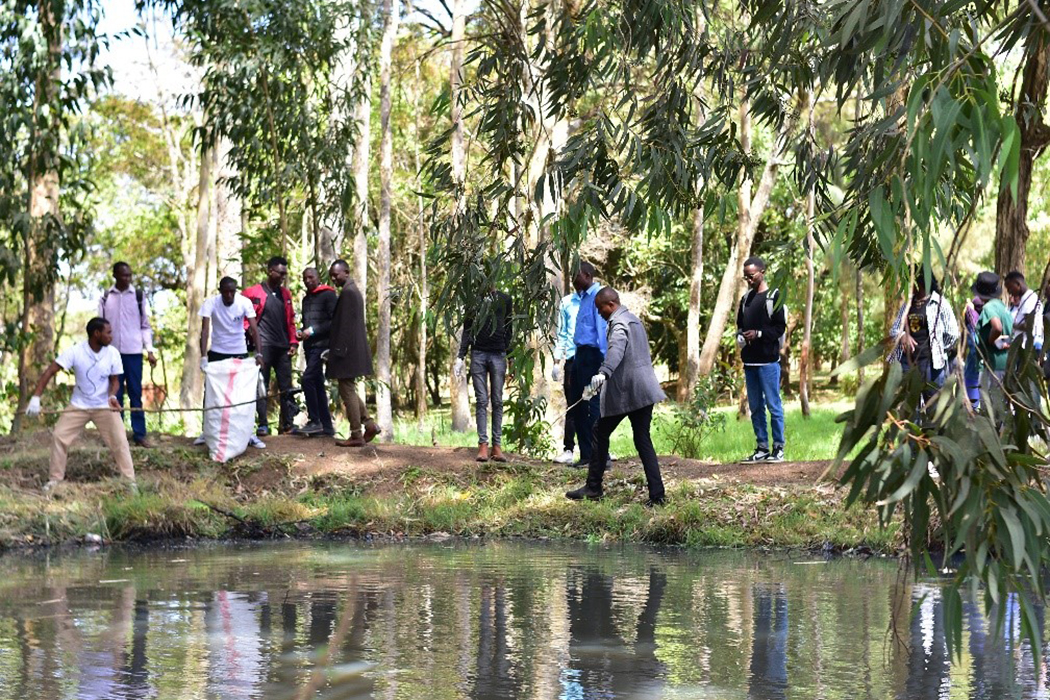
Launched in May 2022 at Kenyatta University’s main campus, the initiative is an outcome of the international Transforming Universities for a Changing Climate (Climate-U) project. Driven by a mission to realign higher education with sustainable development, the hub operates out of the School of Education. Its core activities involve the research, co-creation, and dissemination of open-access learning materials on climate adaptation, including student-led audio-visuals, creative arts, documentaries, and interactive environmental dioramas. A central feature of the initiative is its monthly “Green Day”, held every last Friday, where over 200 trained student ambassadors run awareness campaigns such as guest lectures, waste management drills, and sports. While highly successful in fostering institutional action, the hub faces implementation barriers, including the complex challenge of coordinating between multiple state, non-governmental, and academic entities, and the continuous need for dedicated funding to scale its youth-led community outreach programs.
Working towards justice
The Green Education Hub advances environmental justice by giving youth and local communities a direct voice in shaping climate curricula and adaptation strategies, dismantling top-down academic silos. By translating abstract climate data into accessible, community-focused training modules, the project ensures that the benefits of ecological knowledge and sustainable lifestyle tools are shared equitably beyond the university gates. The hub values intergenerational equity, intentionally bringing primary school scouts, university scholars, and local elders together to co-design grassroots innovations. This participatory action research model ensures that marginalised residents are respected as vital co-producers of climate solutions. By preparing student ambassadors to actively work with neighbourhoods, the initiative challenges the conventional extraction of research data, directly empowering the community to assert its environmental rights and recognising their leaders as active agents of change.
The potential to benefit people and nature
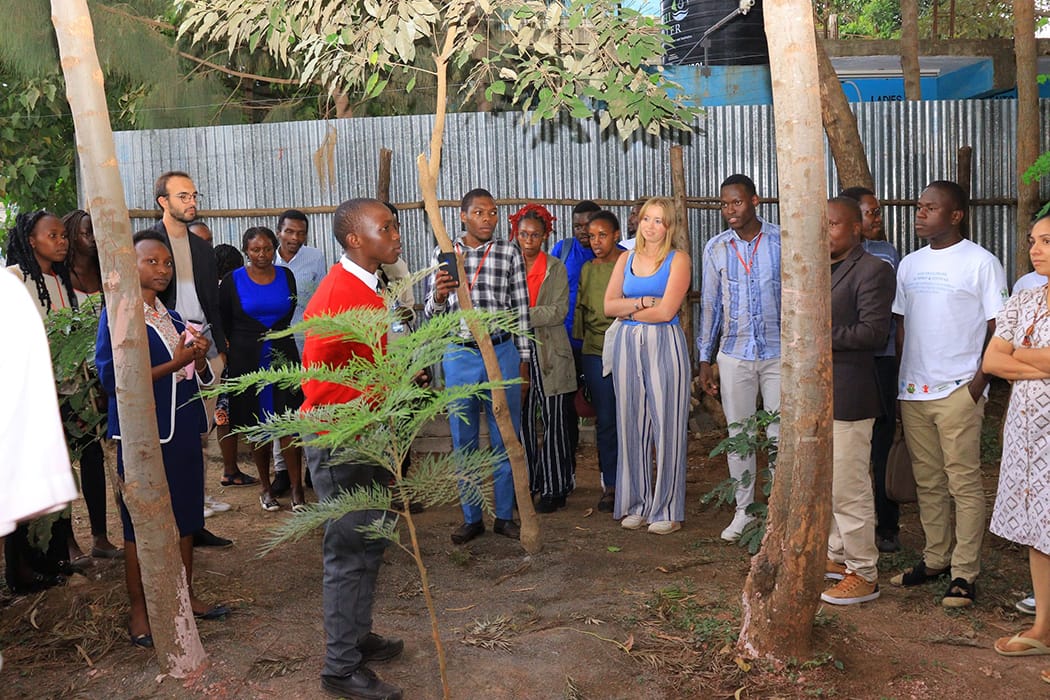
The hub bridges academic research with physical environmental restoration. During its inception, the hub established indigenous tree planting buffers on campus to naturally improve air quality and control soil erosion. There is a potential to integrate a permanent botanical learning trail and a rainwater-harvesting bioswale network on campus, and test other nature-based solutions that are rooted in local environmental and cultural conditions. The hub carries the potential to scale its co-creation model by designing specialised ecological toolkits for adjacent neighbourhoods, working with residents to implement low-cost green interventions. Students could develop a toolkit for helping residents map, observe and understand biodiversity, and work with it, and residents could teach students about the ways they already work with nature.