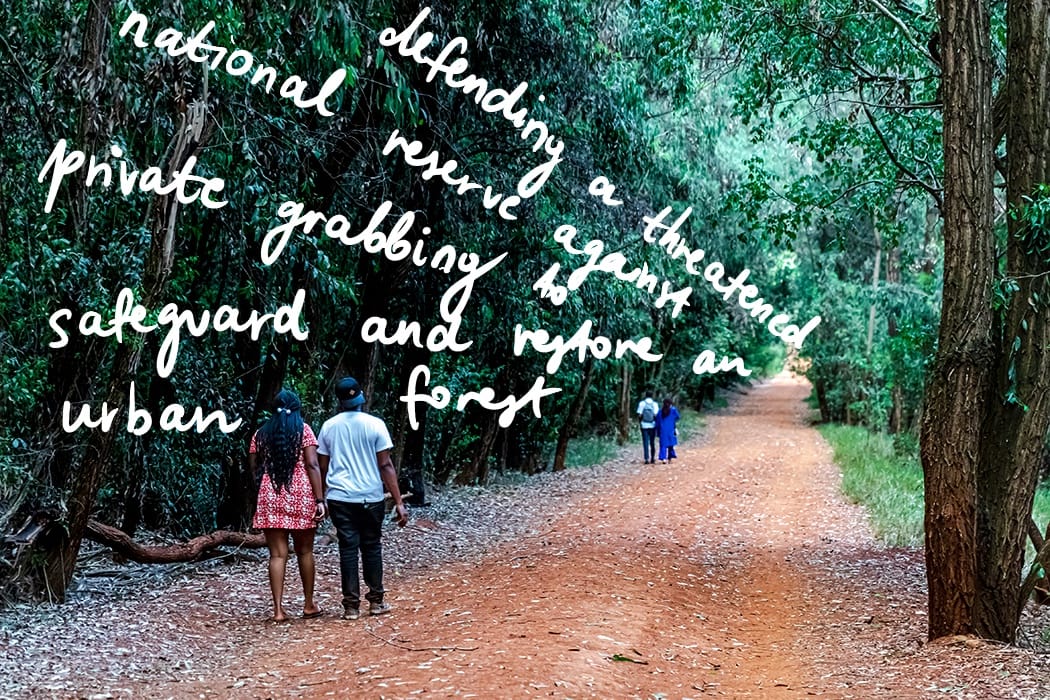
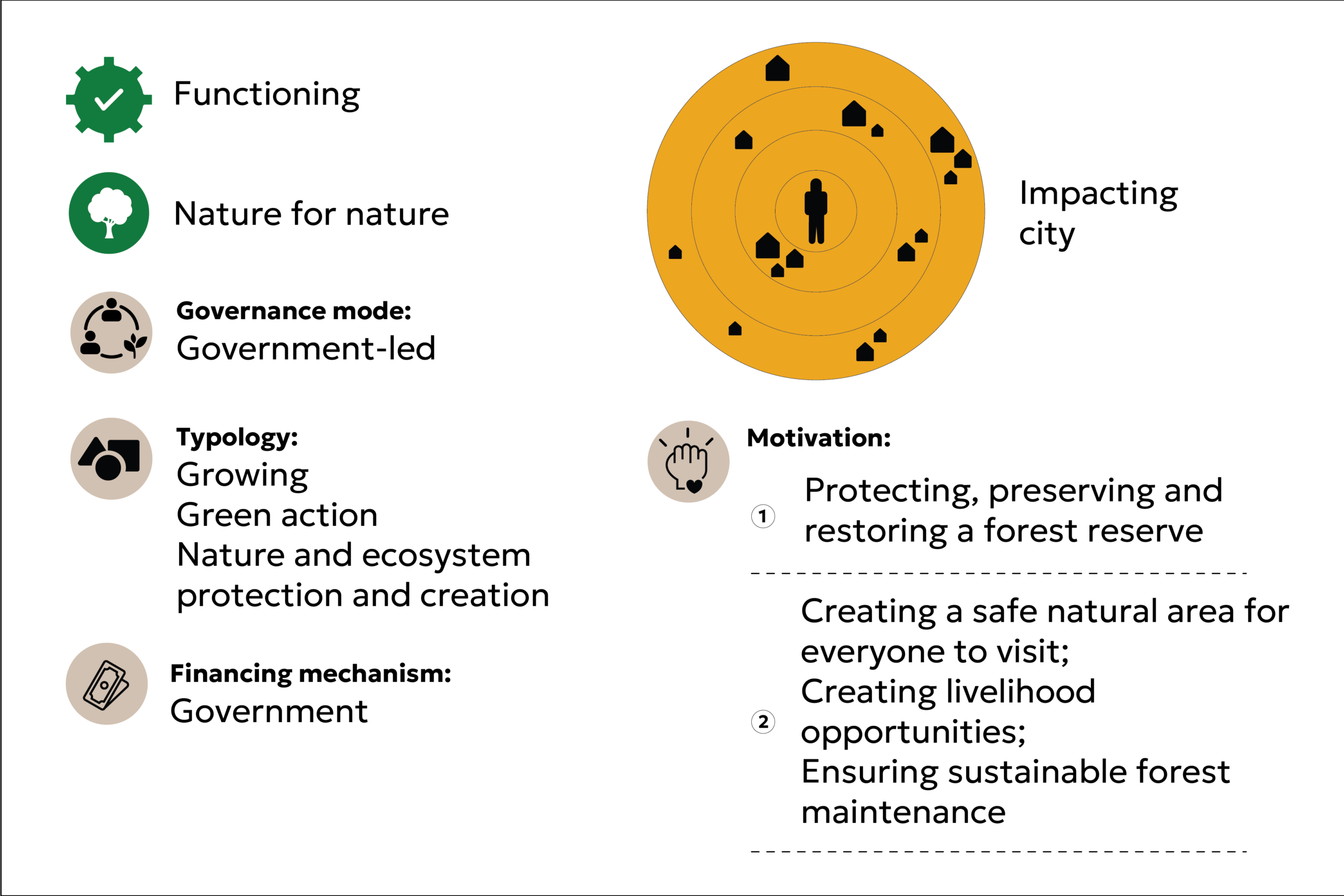
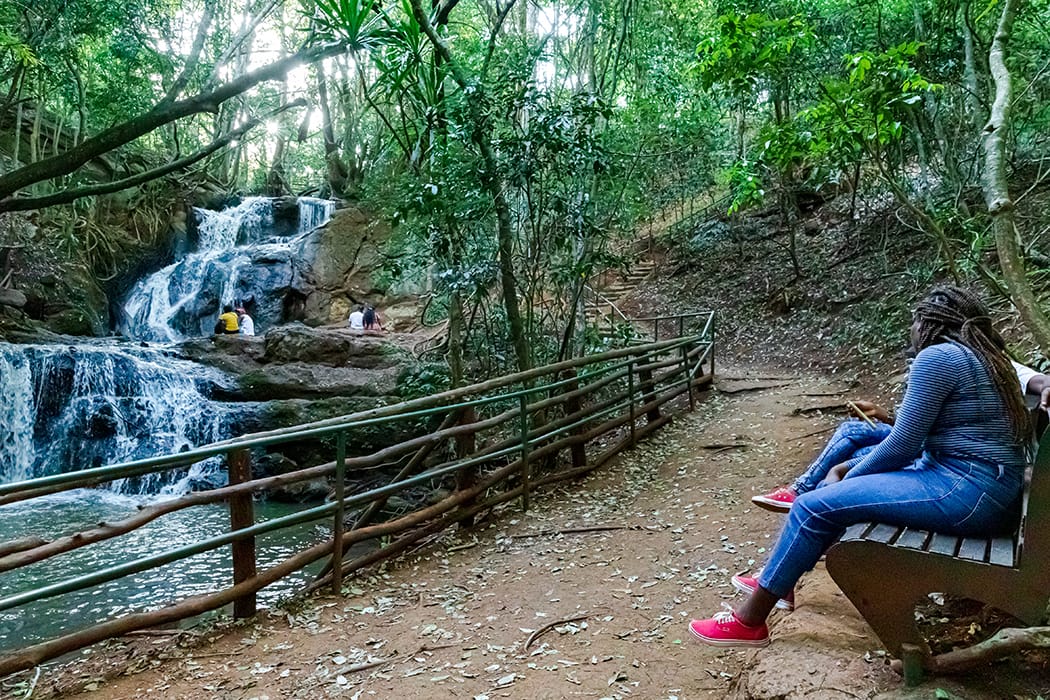
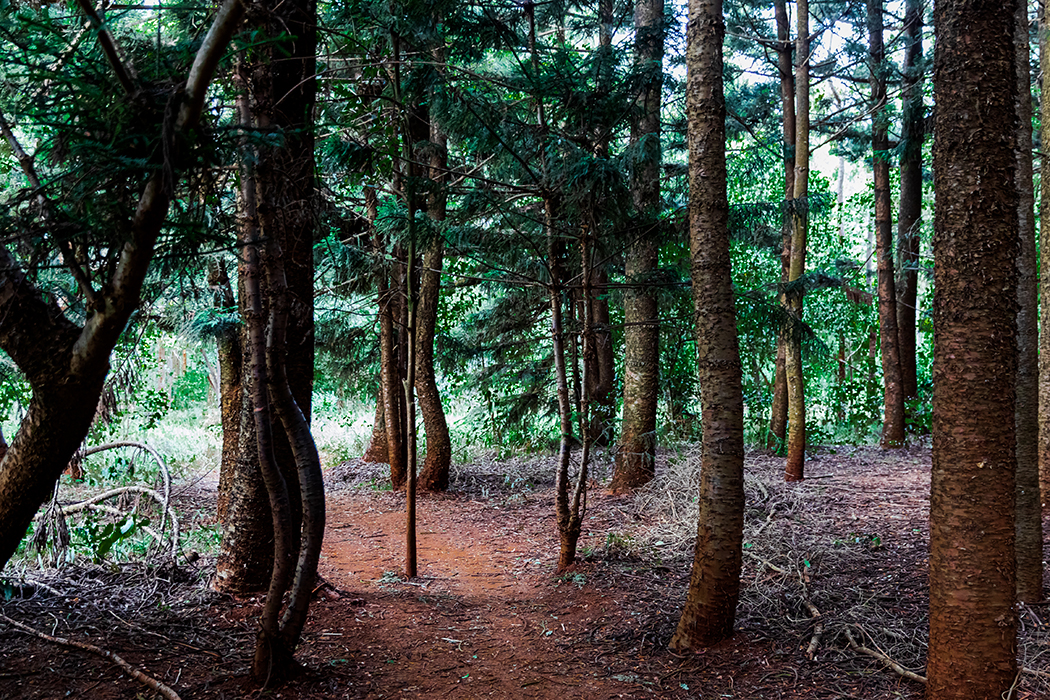
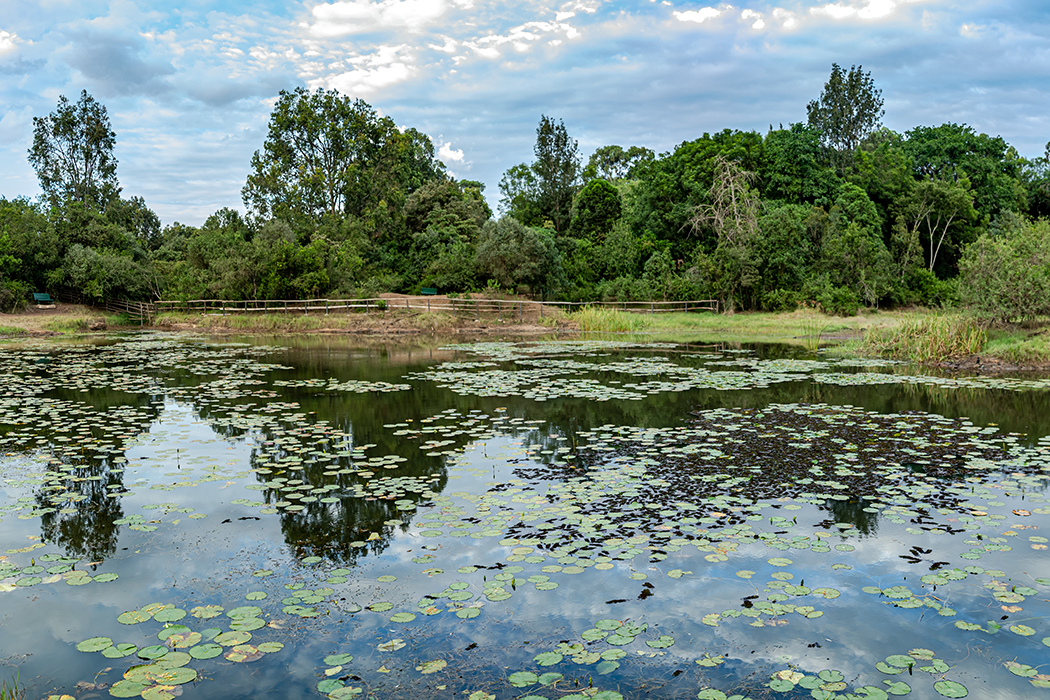
This is a community forest association that co-manages the 1,041-hectare Karura Forest Reserve, securing a large urban green space that is a critical home for wildlife and a recreational space for over 75,000 monthly visitors.
The initiative, situated in northern Nairobi along Limuru and Kiambu roads, is governed under a legally binding Joint Forest Management Agreement (2021–2041) between the state-run Kenya Forest Service (KFS) and the citizen-led Friends of Karura Forest (FKF). Historically gazetted in 1932, the forest suffered significant degradation, illegal logging, and severe land-grabbing threats in the late 1990s, triggering grassroots resistance led by Nobel Laureate Professor Wangari Maathai. Driven by a mission to reclaim what was once a dangerous criminal hideout, the partnership erected an electric boundary fence and spearheaded an intense rehabilitation campaign, raising the indigenous canopy cover from 25% to over 40%. Today, the site features 60km of secure walking and cycling trails, a thriving indigenous tree nursery, and archaeological landmarks like the Mau Mau caves. Some of the challenges that FKF deal with is the management of human traffic across delicate riverine habitats and mitigation of the impacts of changing climate.
Working towards justice
FKF advances environmental justice by reclaiming public land from private, corrupt encroachment, ensuring that the ecological and psychological benefits of a natural forest are protected for present and future generations. To address deep urban socio-economic divides, the project intentionally recruits its operational staff and over 60 dedicated Forest Scouts directly from the informal settlements bordering the reserve, such as Huruma, Githogoro, and Gachie. By utilising forest gate receipts and service fees to fund nearly 300 secondary school bursaries for local children, the initiative ensures that vulnerable neighbourhoods are respected as vital economic and social partners of the conservation efforts. This framework is a step away from the historical colonial model of restricted forest access, towards an inclusive, transparent ecosystem where community stewardship groups have a voice in managing their environmental heritage.
The potential to benefit people and nature
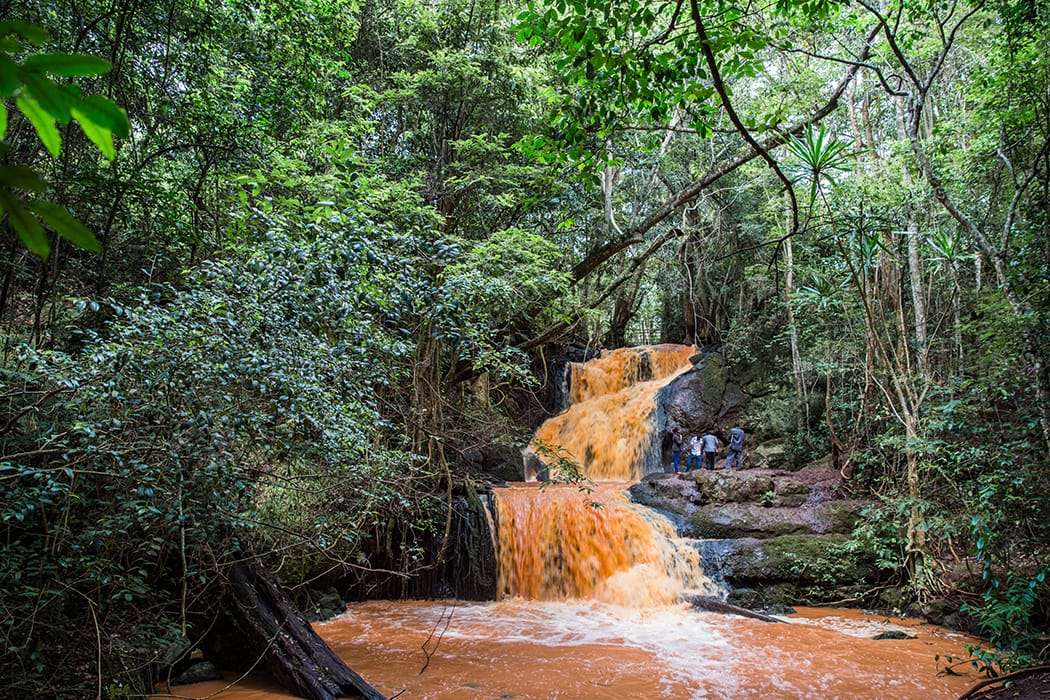
Karura Forest acts as a large carbon sink, combating urban heat island effects, and filtering metropolitan air pollution. Its five distinct river systems and small wetlands regulate floodwaters across northern Nairobi. The successful, science-based reintroduction of over 240 threatened black-and-white colobus monkeys showcases how the park can actively restore complex, long-lost ecological food webs. To further benefit both people and nature, the hub could expand its Karura Forest Environmental Education Trust (KFEET) programming into a localised research academy, training students from adjacent areas in professional carbon-sequestration monitoring and biodiversity mapping. Integrating advanced biofiltration systems along its rivers would allow the forest to act as a natural water-purification area, scaling up its impact on regional climate resilience.